United Airlines will block AI agents that purchase tickets and use customers' miles
US airline cites risk of unwanted purchases, misuse of miles, and conflict with US aviation rules requiring human action at check-in
By gnews Newsroom 3 min read
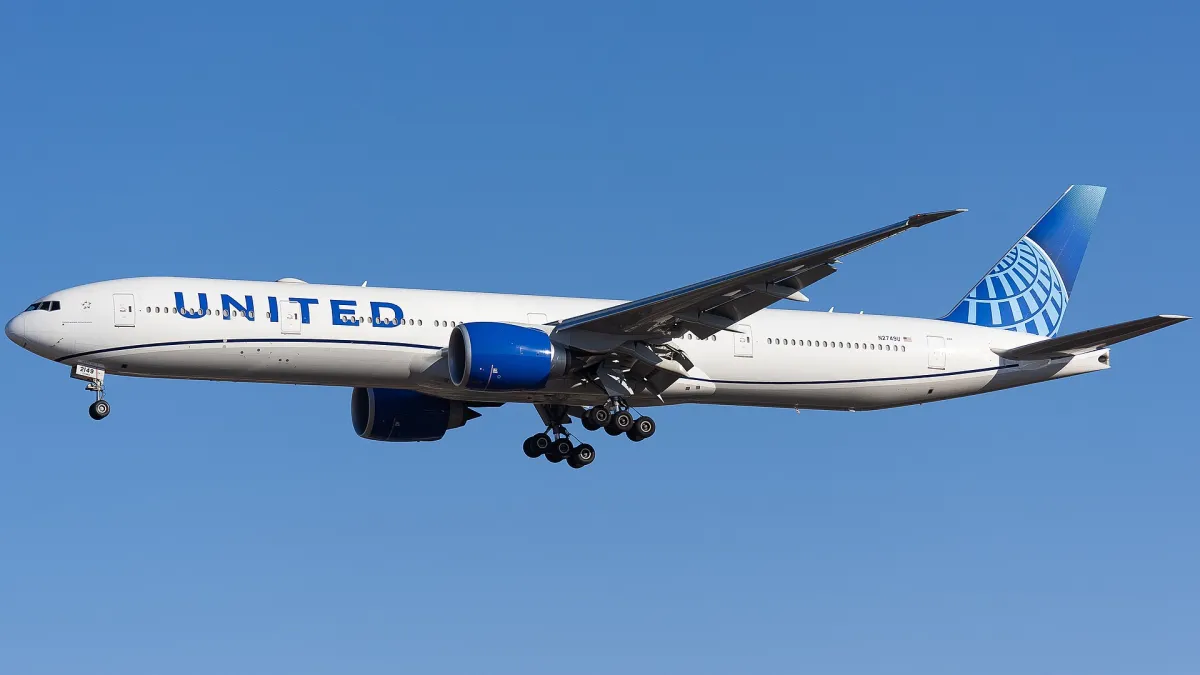
United Airlines announced it will restrict access by AI agents to its digital platforms. The measure targets third-party personal AI assistants, without the company's authorization, that purchase tickets and manage reservations on behalf of customers. According to the US airline, the use of these tools poses risks to account security and may conflict with federal aviation rules in the United States.
The statement was posted in United's newsroom on November 11. The story was reported on Wednesday (12) by TechCrunch, which described United as the latest major US company to prevent customers from using autonomous agents to access its systems.
What United will change
The restriction applies to the company's own channels, such as its website and app. It also indirectly affects travel agencies and aggregator sites that sell the company's tickets. To do this, United says it is updating its booking, ticketing, and distribution policies.
The company did not say when the restrictions will fully take effect. It also did not name any authorized AI agent or partnerships with companies in the sector. The target, in the statement's words, is unauthorized third-party agents and personal assistants.
United promises to update its Digital Trust Center page with guidance for customers. The idea is to explain what changes, how to protect the account, and where to seek help if an agent does something the passenger did not intend.
Why the airline closed the door
United lists three types of problems. The first is the protection of customer data and accounts. The second is unwanted actions: according to the company, these tools can make purchases and account changes without the customer's consent, as well as spend miles from the MileagePlus loyalty program.
The third point is regulatory. The company says the use of agents may violate rules of the FAA, the US civil aviation agency, and the US Department of Transportation. The example cited is check-in: the rules require a person to confirm that the baggage does not contain prohibited items, such as explosives.
According to TechCrunch, banks and airlines have difficulty distinguishing real customers from AI systems acting on their behalf, especially when the user gives login and password to the assistant. In late October, Bank of America asked customers not to share their bank password with AI assistants.
What comes next
Ticket purchasing is one of the most advertised uses by companies developing AI agents, and the airlines' retreat limits that promise. United said it will continue to evaluate how personal AI assistants interact with its services and encouraged other companies to adopt similar measures.
The statement does not provide specific information about customers in Brazil or other countries. For those who buy United flights, the practical message is not to give the account password to an AI assistant and to make the booking and check-in personally.
Sources: Sala de imprensa da United Airlines, TechCrunch
Frequently asked questions
Why is United Airlines blocking AI agents?
The company cites risks to account security, unwanted purchases and changes, misuse of MileagePlus miles, and possible conflict with FAA and US Department of Transportation rules.
Does the block apply to travel agencies?
Yes, indirectly. United says the restriction affects agencies and aggregators and that it is updating its booking, ticketing, and distribution policies.
Is there a specific rule for customers in Brazil?
United's statement does not provide specific information about Brazil or other countries.