Dengue could reach 860,000 cases in 2027; prevention starts now
Specialist recommends eliminating breeding sites before the transmission period; El Niño may favor the mosquito and the projection includes 860,000 probable cases in Brazil.
By gnews Newsroom 3 min read
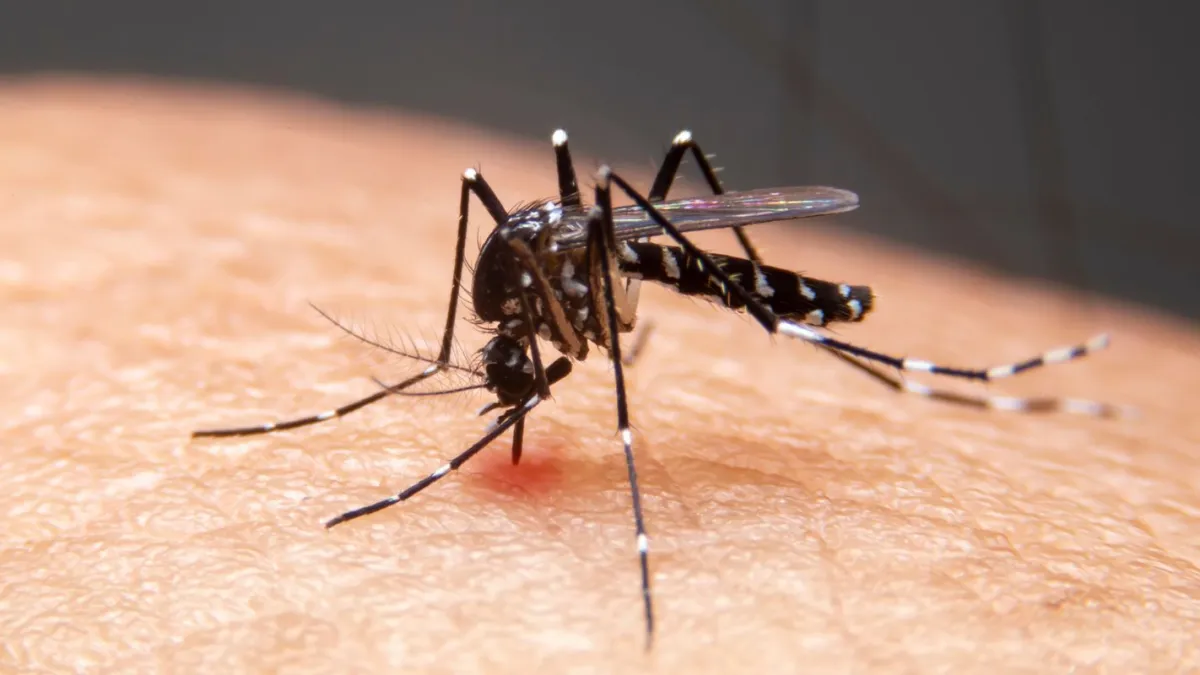
Dengue prevention should be intensified across Brazil as early as November, before the epidemic projected for 2027, which could reach 860,000 probable cases.
Infectious disease specialist and professor at the School of Medicine of the Pontifical Catholic University of Paraná (PUC-PR) Marion Burger recommends acting before the mosquito finds places to breed. El Niño, a climate pattern that warms the Pacific Ocean and alters rainfall and temperature, with forecasts of heat and rain, could favor the proliferation of the Aedes aegypti mosquito.
“The best time to prevent the 2027 catastrophe is right now. It's before this mosquito has a breeding site that we have to remove that breeding site.”
Marion Burger states that October and November are also periods to prepare healthcare professionals and guide the population. Experts warn of the risk of reinfection; the country could reach 860,000 probable cases in 2027, and the alert “Dengue: 3 million adolescents have incomplete vaccination” addresses another aspect of prevention.
How to avoid mosquito breeding sites
Brazil's Ministry of Health recommends measures inside and around homes to prevent containers with standing water from becoming mosquito breeding sites:
- Removal of containers that can accumulate water;
- Sealing of reservoirs and water tanks;
- Clearing of gutters, slabs, and drains;
- Use of screens on windows and repellents in areas of known transmission.
The guidance is to check the yard daily, drain water from vases, and put sand in plant saucers. Prevention should occur before the epidemic, not just when cases are already high.
El Niño may accelerate the mosquito cycle
El Niño is the abnormal warming of surface waters in the Equatorial Pacific, a phenomenon that changes rainfall and temperature patterns. In Brazil, it can worsen drought in one part of the country and cause storms in another.
The projection for 2027 is compared to the 2024 scenario, when there was a record number of notifications. In 2023, El Niño also occurred. The infectious disease specialist explains that heat can shorten the mosquito's development time:
“This rain left standing water that, with the warming, turned into lukewarm water. The eggs, which normally take two weeks to turn into mosquitoes, with warm water, this takes only five to seven days.”
Which symptoms require medical attention
The disease can reach regions where it does not usually circulate. The most common symptoms include high fever, headache or pain behind the eyes, nausea, weakness, joint pain, and red spots on the body.
Warning signs for severe dengue are intense abdominal pain, frequent vomiting, dizziness or feeling faint, difficulty breathing, bleeding from the nose, gums, or stool, as well as fatigue or irritability.
Brazil's Ministry of Health advises seeking immediate medical attention if there is a sudden fever between 39°C and 40°C accompanied by at least two signs such as headache, prostration, muscle or joint pain, and pain behind the eyes.
Vaccine requires two doses to complete the schedule
Vaccination is intended for children and adolescents aged 10 to 14. The schedule has two doses, with a three-month interval, and full protection is only achieved after the second shot. Data cited in the article indicate that more than 3 million adolescents who received the first dose still need to return to vaccination centers.
“Vaccination is also now the best time, and we are helping to avoid the catastrophes that will happen environmentally, whether we want them to or not.”
“This is the measure we have to take now, not after we are in the middle of it, when there is an epidemic. For dengue, this is the best time to act.”
Marion Burger argues that vaccination and environmental measures should be adopted before the disease advances.
With information from Agência Brasil.
Frequently asked questions
How to prevent dengue at home?
Remove containers that accumulate water, seal water tanks and reservoirs, clear gutters and drains, and check the yard daily.
Which dengue symptoms require medical attention?
Sudden fever between 39°C and 40°C with at least two signs such as headache, prostration, muscle or joint pain, and pain behind the eyes requires immediate medical attention.
Who can get the dengue vaccine?
Vaccination is for children and adolescents aged 10 to 14. The schedule has two doses, with a three-month interval.