US court upholds order for Amazon to recall over 400,000 hazardous products
A Maryland judge rejects the company's lawsuit, which must now notify buyers and refund money for items from third-party sellers sold through Fulfilled by Amazon
By gnews Newsroom 3 min read
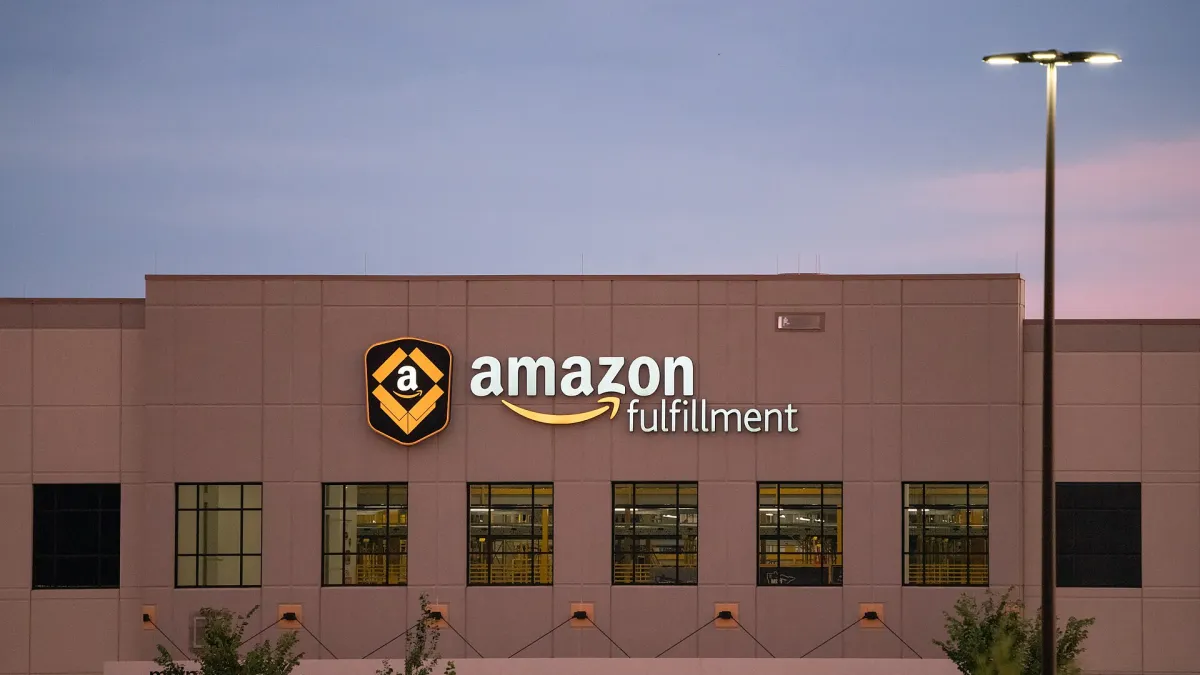
The US federal court rejected Amazon's lawsuit against the Consumer Product Safety Commission (CPSC) and upheld the Amazon recall of more than 400,000 products deemed hazardous. The decision, signed by Judge Lydia Kay Griggsby of the US District Court for the District of Maryland, was announced by the agency on Wednesday (25).
The items were listed by third-party sellers on Amazon's website and shipped through the Fulfilled by Amazon program, in which the company itself stores, packs, and delivers the goods. The list includes defective carbon monoxide detectors, hair dryers without shock protection, and children's pajamas that fail to meet federal flammability standards.
What the court decided
The court order, dated November 24 and filed the following day, denies Amazon's motion, grants the CPSC's and the government's request, declares the agency the prevailing party, and dismisses the case. The lawsuit, case number 8:25-cv-00853, was filed by the company in March 2025.
The dispute centered on one question: Is Amazon a “distributor” under US product safety law? The company argued it merely acts as a logistics service provider for those selling on the platform and therefore could not be forced to recall products made and sold by others. The CPSC unanimously ruled otherwise in July 2024, and the judge upheld that determination.
CPSC Acting Chairman Peter A. Feldman called the outcome “an important victory for American consumers.” According to him, families deserve the same protection under federal law “whether shopping online or in a brick-and-mortar store.” The agency's statement did not include Amazon's position, and there is no information about an appeal.
What Amazon must do
With the lawsuit dismissed, the final order the CPSC approved in January 2025 takes effect without challenge. It requires Amazon to:
- post recall notices on Amazon.com the same day the CPSC issues each one;
- send direct emails to original purchasers and display the notice on each customer's orders page;
- refund the full purchase price to anyone who provides proof they destroyed or disposed of the product;
- notify the Fulfilled by Amazon sellers who sold the items once;
- keep the notices on the site's recalls and safety alerts page for at least five years and submit monthly reports to the agency over the same period.
The agency says the case began in 2021 and that the decision provides greater legal certainty for e-commerce rules. In practice, it shows that a marketplace that stores and delivers third-party goods can be held responsible for the safety of those products in the United States.
And in Brazil?
The ruling applies only to the US market and to the products listed by the CPSC. The sources do not provide information on any effect on Amazon's sales in Brazil. Anyone who bought one of these items on the US site and lives in Brazil should monitor the notices on Amazon's recalls page and the CPSC website.
The judge also gave the parties until December 8 to identify portions of the full decision that should remain under seal. Only after that will the text with the court's reasoning be published.
Sources: CPSC: comunicado sobre a decisão (25/11/2026), Tribunal Distrital de Maryland: ordem no caso Amazon x CPSC, CPSC: ordem final à Amazon (17/1/2025)
Frequently asked questions
Which products are included in the Amazon recall?
Defective carbon monoxide detectors, hair dryers without shock protection, and children's pajamas that do not meet flammability standards, totaling more than 400,000 units.
Why did Amazon challenge the order?
The company argued it only acted as a logistics provider for third-party sellers, not as a distributor. The court upheld the CPSC's determination that it is a distributor.
Does the ruling apply in Brazil?
No. It applies to the US market, and the sources do not provide information on any effect on Amazon's sales in Brazil.