Banco do Brasil alerts customers that names, CPF, email, and branch numbers were accessed by third parties
Access was made using a valid credential on November 12; bank says passwords were not leaked and warns of scams using the exposed data
By gnews Newsroom 3 min read
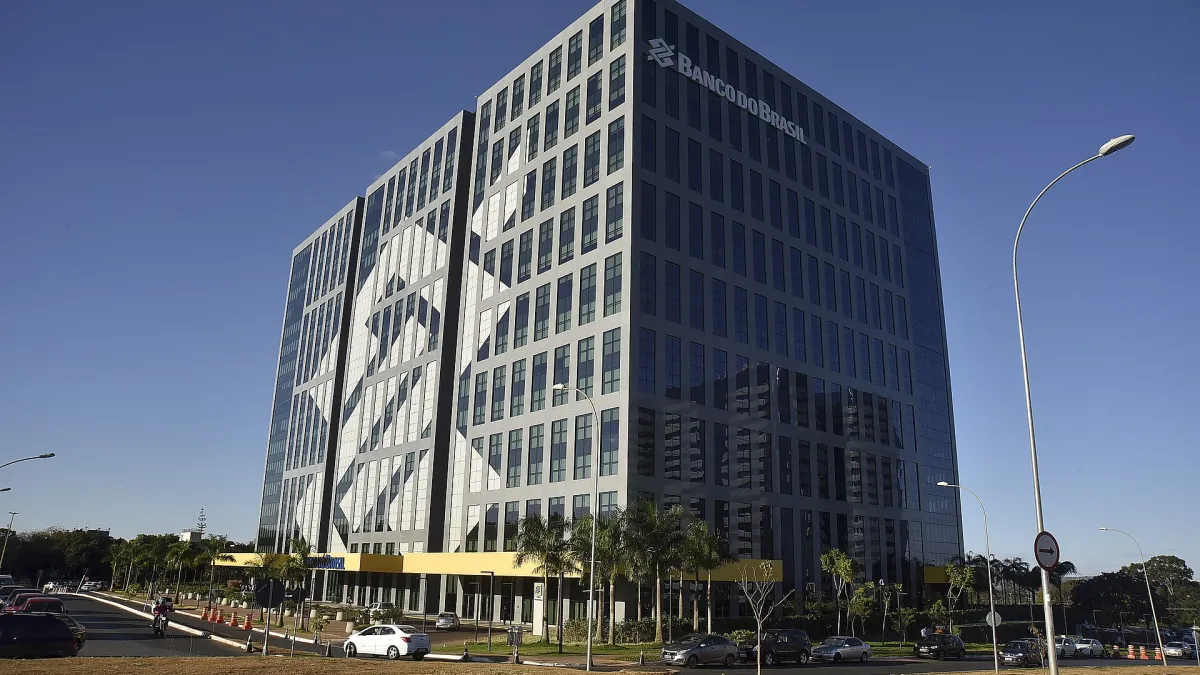
Banco do Brasil began sending emails to customers on Wednesday (18) to warn that some of their personal data had been accessed without authorization. According to the bank, the access was identified on November 12 and occurred because third parties improperly used a valid credential. Exposed were name, CPF (Brazil's individual taxpayer registry number), email address, branch number, and in some cases, account number.
The bank did not disclose how many customers were affected. In the message, it states that the credential used has already been revoked, which stopped the access, and that it activated its security protocols.
What was leaked and what wasn't
According to the notice sent to account holders, the data involved is identification and contact information. BB says there was no "system intrusion, exposure of passwords, tokens or security codes." It also states that it found no financial transactions linked to the incident.
In practice, this means that those whose data was exposed did not lose access to their accounts nor had money moved because of the incident, according to the bank. The institution says it has reinforced monitoring and is adopting the communications required by Brazil's General Data Protection Law (LGPD). The notice does not mention whether the National Data Protection Authority (ANPD) or Brazil's Central Bank were notified.
Why customers should be alert to scams
The main risk, according to the bank itself, is the use of the information in scams. With name, CPF, email, branch and account numbers in hand, criminals can craft more convincing fake messages, posing as BB or other institutions to ask for passwords, codes or more data. This is the type of fraud known as phishing and social engineering.
The bank stresses that it does not ask for passwords, security codes, app installations or transfers to so-called "safe accounts." Any contact with this type of request should be treated as a scam attempt.
- Suspicious messages and pages can be forwarded to abuse@bb.com.br.
- For questions, customers can use the 'Fale Com' option in the BB app.
- The Customer Service Center can be reached at 4004 0001 and 0800 729 0001.
- The bank's official WhatsApp is 4001-0001.
What comes next
The alert emails are being sent to customers whose data was accessed. Those who did not receive the message do not need to do anything different from usual caution, but it is worth being suspicious of any unexpected contact that cites account data to appear legitimate. Before responding, the safest route is to contact the bank through official channels.
The case comes a week after another incident in the financial sector: Caixa Vida e Previdência, a life insurance and pension company linked to Caixa Econômica Federal, reported to the market on November 12 a cyberattack that hit the database of 7.6 million active customers. Information about the BB case was published by Metrópoles, by O Tempo and by Olhar Digital, based on the message sent by the bank to customers.
Sources: Metrópoles, O Tempo, Olhar Digital
Frequently asked questions
What Banco do Brasil data was leaked?
Name, CPF, email and branch number, and in some cases, account number. The bank says passwords, tokens and security codes were not exposed.
How many Banco do Brasil customers were affected?
The bank did not disclose the number of affected customers. Those affected are receiving a warning email.
What to do if you receive a suspicious message in BB's name?
Do not provide passwords or codes, forward the message to abuse@bb.com.br and contact the bank through the app, the Customer Service Center at 4004 0001 or 0800 729 0001, or WhatsApp at 4001-0001.