Tesla to invest 3 billion euros to produce up to 1 million Cybercabs per year in Berlin
New factory in Grünheide is expected to start construction in the first half of 2027, with production of the steering-wheel-free robotaxi slated for 2029
By gnews Newsroom 3 min read
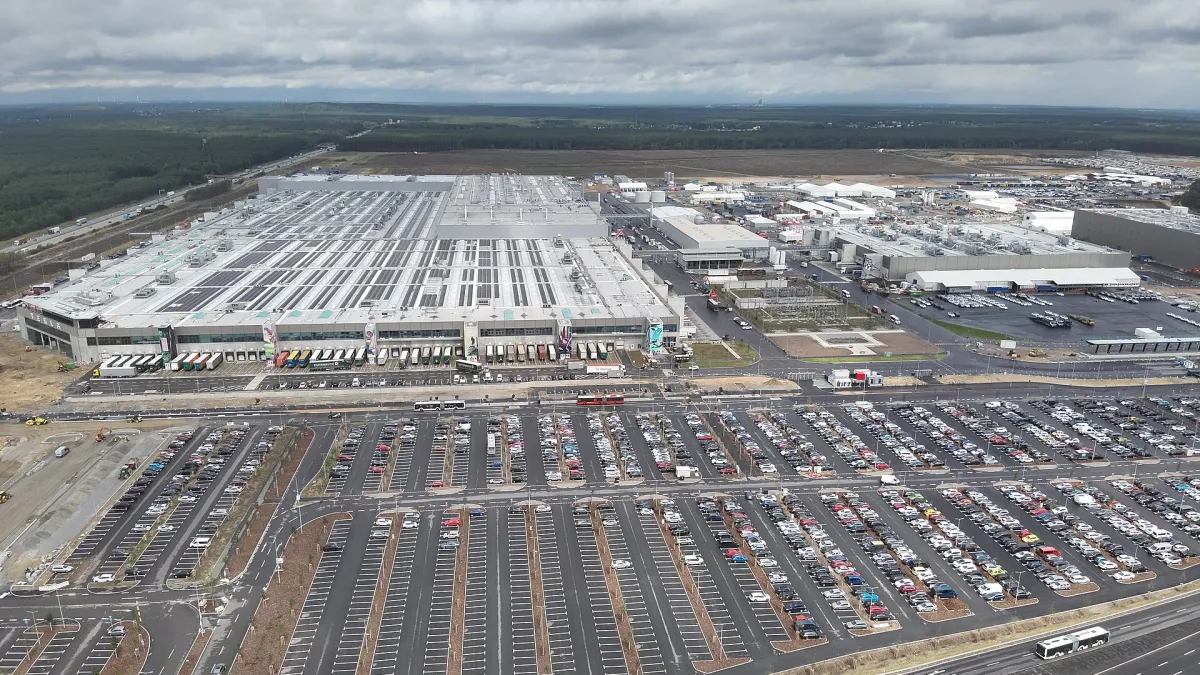
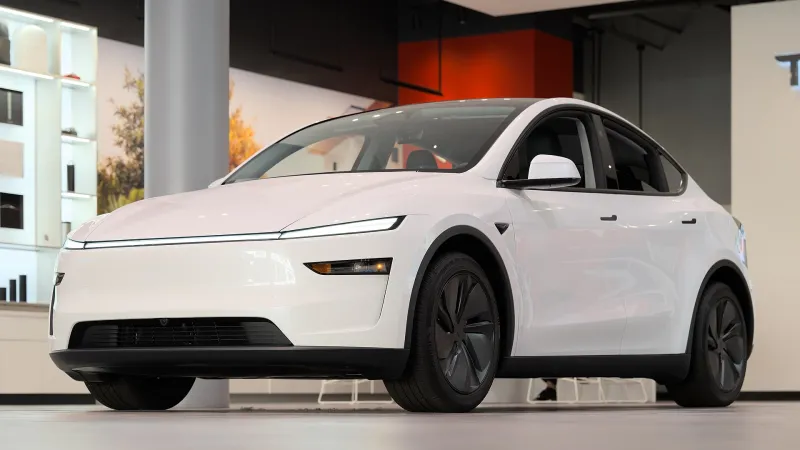
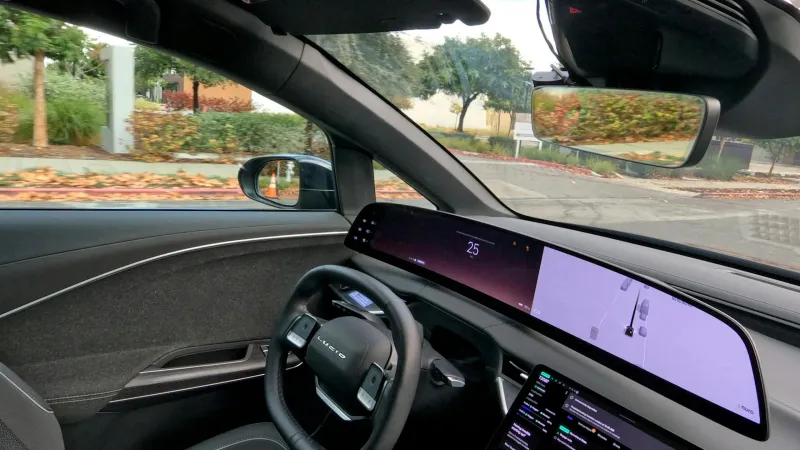
Tesla announced on Monday (16) an investment of around 3 billion euros, nearly US$3.3 billion, to produce the Cybercab in Berlin. The two-seat robotaxi, with no steering wheel or pedals, will be built in a new building at the Grünheide factory, east of the German capital, with a capacity of up to 1 million vehicles per year.
The announcement was made by André Thierig, the plant's production director, in social media posts. "We are expanding! Cybercab production is coming to Giga Berlin!" he wrote on X, according to the website Electrek.
What Tesla will build
The money covers a new production hall north of the current factory, support buildings, and a second wastewater treatment plant. The company says it will be the most advanced Tesla factory in the world.
The disclosed timeline has three stages:
- building permit application by the end of 2026;
- construction start in the first half of 2027;
- start of Cybercab production in 2029.
According to Investing.com, Tesla is expected to hire a few hundred additional workers. Currently, the German plant only assembles the Model Y. Last year, about 200,000 units rolled off the line there, well below the annual capacity of 500,000 cars. The goal of reaching 1 million vehicles per year at the site was already included in the partial permit granted by Brandenburg state authorities in 2024.
Why the bet matters
The Cybercab was unveiled in 2024 and began public operation in September 2026. According to TechCrunch, about 573 units are operating in Austin, Texas, and the next city will be Dallas. The vehicle cannot operate late at night, and there have been no reports of serious incidents in more than two months of operation.
The company will also stop manufacturing the Cybertruck pickup in 2027, partly to make room for the Cybercab at the Austin factory. With Berlin, Europe fully enters the robotaxi plans. Tesla uses only cameras for autonomous driving, while competitors like Waymo also use laser sensors (lidar). In the United States, federal agencies are investigating how Tesla itself certified the Cybercab.
What still holds back the robotaxi in Europe
Current European Union rules limit fully driverless vehicles approved through the small series route to 1,500 registrations per year per model. The European Commission has already said it wants to create an approval process for large series, and a UN regulation for automated driving systems is being prepared.
Tesla also lacks European approval for unsupervised driving. The Dutch traffic authority has only authorized the supervised version of the system, which requires a driver paying attention at the wheel. In other words, the 1 million-unit capacity depends on rule changes by 2029.
There is no information about sales or operation of the Cybercab in Brazil.
Sources: TechCrunch, Electrek, Investing.com
Frequently asked questions
When will the Cybercab start being manufactured in Berlin?
Tesla expects to start construction in the first half of 2027 and begin production in 2029.
How much will Tesla invest in the Berlin factory?
Around 3 billion euros, nearly US$3.3 billion, for a new hall, support buildings, and a wastewater treatment plant.
Will the Cybercab come to Brazil?
There is no information about sales or operation of the Cybercab in Brazil.