Trump fires White House cybersecurity director after failures that hit 18,000 flights
Sean Cairncross departs after a week of failures in flights, banks and government systems; Kirsten Davies from the Pentagon steps in on an interim basis
By gnews Newsroom 3 min read
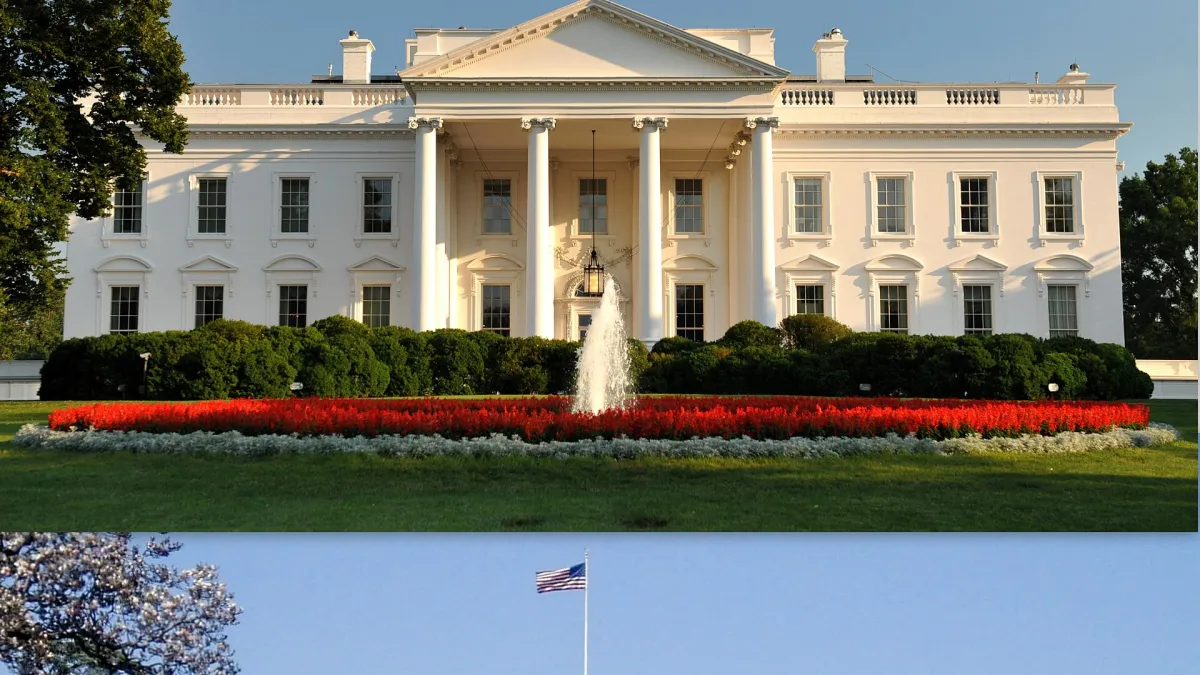
The cybersecurity director of the White House, Sean Cairncross, was fired this Thursday (19), days after a series of failures that grounded air travel in the United States and hit banks and national security systems. The information was provided by a person close to the White House to Reuters and the site CyberScoop, and the departure was confirmed by a government official to NBC News.
According to this source, President Donald Trump fully supported the firing because Cairncross lacked strong cyber credentials for the position. In a statement Thursday night, Cairncross said it was "the honor of a lifetime" to serve in the administration. According to Reuters, this is the first significant staff change since last week's failures.
Who takes over
The post will be filled on an interim basis by Kirsten Davies, currently the chief information officer of the Department of Defense. The position of national cybersecurity director requires Senate confirmation — and the Senate will have a Democratic majority starting in January, Reuters noted.
In a post on X, Davies thanked Trump and White House chief of staff Stephen Miller for the appointment. "Our opportunity is to dominate the cyber landscape for generations to come," she wrote.
Cairncross had held the position since August 2025, when he was confirmed by the Senate. Previously, he was operations director for the Republican National Committee and, during Trump's first term, served as senior advisor to the White House chief of staff and as CEO of the Millennium Challenge Corporation, a U.S. foreign aid agency. According to CyberScoop, he had policy and national security experience but no technical background in cybersecurity.
The failures that preceded the firing
In the last week, the United States faced a series of failures. There was a nationwide ground stop of air traffic that affected more than 18,000 flights, and a global outage that hit hundreds of millions of Microsoft users, as well as disruptions to banks and national security systems, according to Reuters.
On Wednesday (18), the top U.S. intelligence official said the problems were separate disruptions linked to maintenance and technical changes, not a coordinated attack or one sponsored by another country. Experts interviewed by Reuters linked the failures to a race by companies to patch newly discovered software flaws, as advanced artificial intelligence tools make it easier to find such vulnerabilities. Government officials also attributed the problems to the rush to close vulnerabilities found by AI, according to CyberScoop.
The administration had been under pressure over its response. On Tuesday (17), Republican Senator Josh Hawley of Missouri said the White House should brief lawmakers on the failures and share with the public what is happening.
What the office did
Under Cairncross, the Office of the National Cyber Director helped craft the June executive order that called on major AI companies to submit new models to voluntary government testing before release. He also became co-chair of a group that monitors an AI safety commitment signed by the leading labs, and he argued that safeguards should not slow technological progress. The office also ran security programs for water utilities in Texas and rural hospitals in South Carolina.
The change comes amid staff turnover: Thomas Lind, Cairncross’s policy chief and senior advisor, left for OpenAI in October. There is no information about direct effects of the change on users or businesses in Brazil.
Sources: CyberScoop, Reuters (via Yahoo News), NBC News, Casa Branca
Frequently asked questions
Why was the White House cybersecurity director fired?
According to a source close to the White House, Trump supported the firing because Cairncross lacked strong cyber credentials. The departure came days after a series of nationwide failures.
Who replaces Sean Cairncross?
Kirsten Davies, the chief information officer at the Department of Defense, takes over on an interim basis. The position requires Senate confirmation.
Were the U.S. outages a hacker attack?
The top U.S. intelligence official said they were separate disruptions linked to maintenance and technical changes, not a coordinated attack or one sponsored by another country.