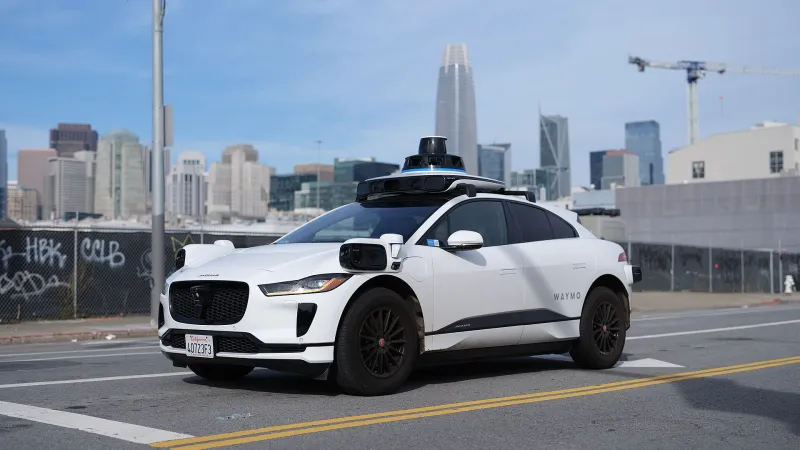
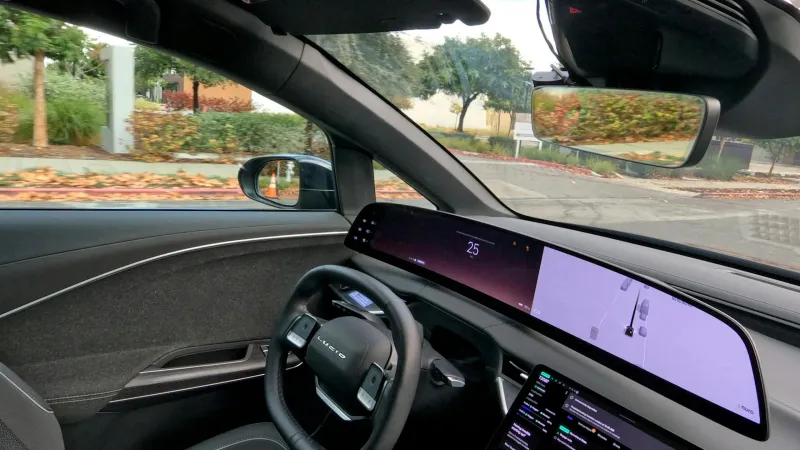
Waymo issues 2 robotaxi recalls after cars enter closed freeway lanes in California
The fix for closed lanes is still under development, and the self-driving cars remain off freeways in all of the company's U.S. markets
By gnews Newsroom 3 min read
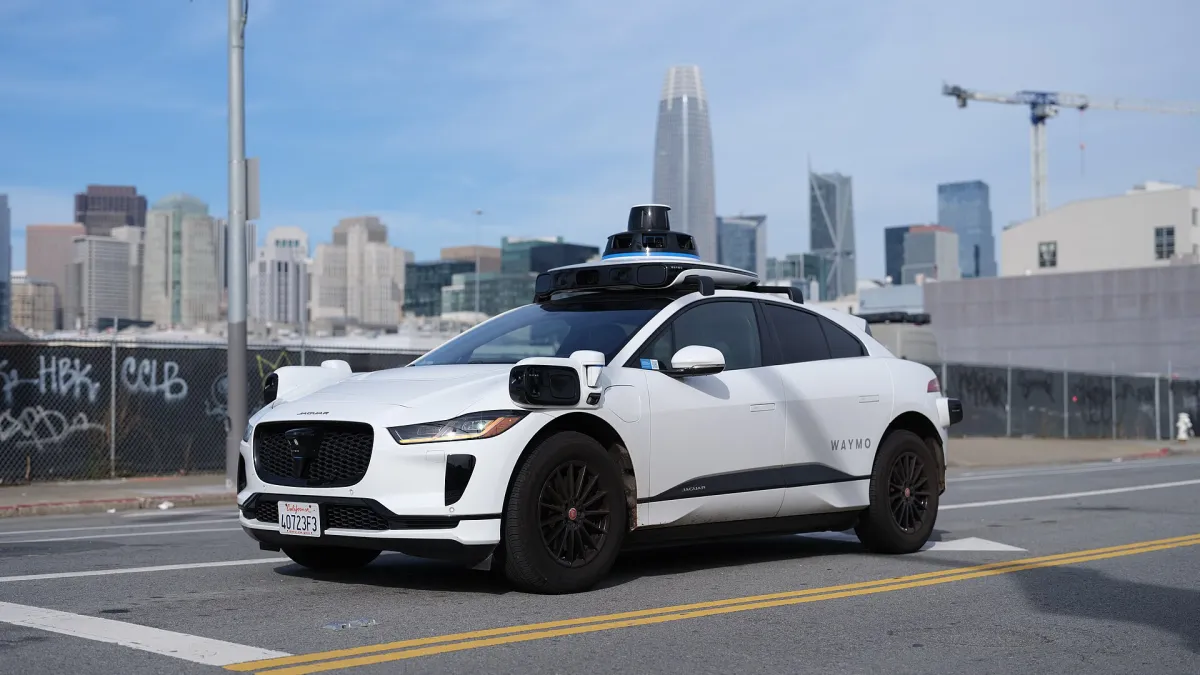
Waymo, the self-driving car company owned by Alphabet (Google's parent company), announced on Friday (20) two voluntary recalls of its robotaxis' automated driving system. The first Waymo recall involves vehicles that entered closed freeway lanes in California. The second fixes how the cars react to intersections where traffic is manually directed by police officers or emergency crews. The recalls were filed with NHTSA, the U.S. traffic safety agency, according to Reuters.
The company did not say how many vehicles are included in the two recalls.
What prompted the recalls
The recalls come days after the California Department of Motor Vehicles (DMV) banned Waymo's robotaxis from the state's freeways. The restriction has been in effect since November 11, and the agency classified the cars as an "imminent risk to public safety," according to Engadget.
According to the DMV, three robotaxis entered, on separate occasions, construction-closed sections in Burlingame, in the San Francisco area. In another incident, a company car was seen trying to go around a California Highway Patrol vehicle that was performing a controlled traffic break. Waymo says the episodes happened on U.S. Highway 101 and caused no collisions or injuries.
Describing the problem, the company speaks of "unusual circumstances" in which a robotaxi may enter a closed lane and keep driving in it. The software fix for this case is still under development.
The recall regarding manual traffic control has a different origin: a collision in which a Waymo car was following a police officer's directions, and the officer then became temporarily obscured. The update for this issue was completed on November 6.
In a statement to Engadget, a spokesperson said the recalls "are standard steps in our rigorous safety approach to validate and refine the technology as we grow into more complex driving environments."
Freeways remain closed
After the DMV's decision, Waymo suspended freeway trips in all markets where it operates in the United States, not just California. On city streets, service continues normally. Outside California, the company can still test the cars on freeways with safety drivers on board.
To return to California freeways, Waymo must prove to the DMV that it has taken effective measures to correct the flaws that led to the ban. There is no deadline for this.
Not the first time
The issue with freeway construction had already triggered a recall this year. In May, the company paused freeway trips on its own, and in June, it recalled 3,800 robotaxis that could enter closed sections. Service resumed in July. Waymo began operating on California freeways in November 2025 and, in August 2026, expanded operations to Sacramento, the San Francisco area, and San Diego.
Before that, the company had already recalled nearly 4,000 vehicles after a robotaxi entered a flooded street in San Antonio, Texas.
The recalls apply to Waymo's fleet in the United States. The sources provide no information about Brazil.
Sources: Engadget, Reuters (via Yahoo Finance), Reuters (via MarketScreener), Engadget (proibição do DMV)
Frequently asked questions
Why did Waymo recall its robotaxis?
Because company cars entered freeway lanes closed for construction in California and because of a collision at an intersection with traffic directed by a police officer.
Can Waymo robotaxis operate on freeways?
Not at the moment. California banned them starting November 11, and the company suspended freeway trips in all U.S. markets. On city streets, service continues.
Was anyone injured in the freeway incidents?
According to Waymo, the closed-lane episodes caused no collisions or injuries.