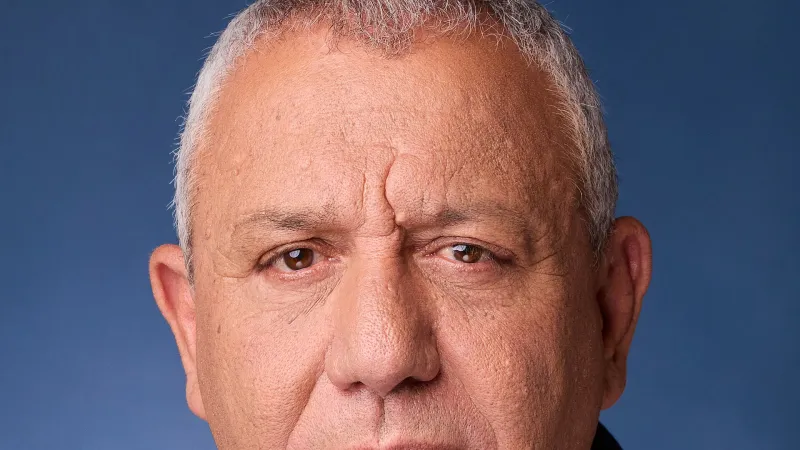
Eisenkot Ally Elected Knesset Speaker with 66 Votes, Netanyahu Loses Control of Parliament
Matan Kahana defeats Likud candidate by 66 to 52, with support from Arab parties, and opposition takes control of Israel's legislative agenda
By gnews Newsroom 3 min read
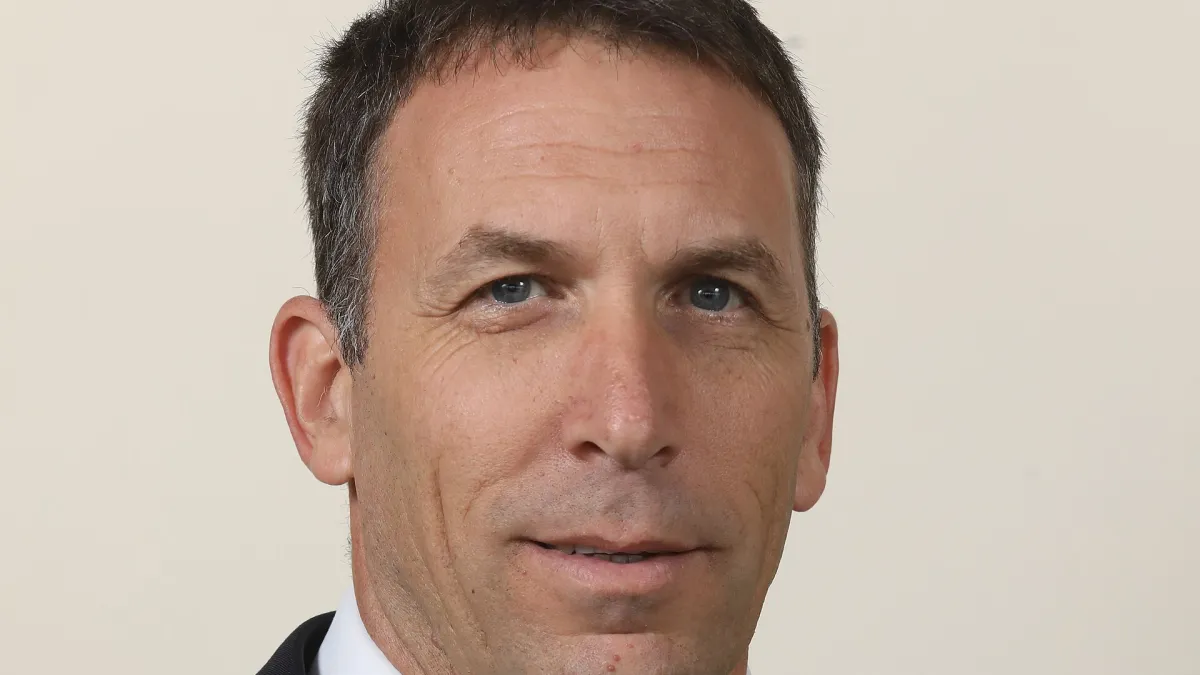
Lawmaker Matan Kahana, of the Yashar party led by Gadi Eisenkot, was elected speaker of the Knesset, Israel's parliament, on Tuesday (17). He received 66 votes, according to the house spokesperson, against 52 for Ofir Katz, the candidate of Likud, the party of Prime Minister Benjamin Netanyahu. Kahana replaces Amir Ohana, a Netanyahu ally, and the switch gives the opposition control of the parliament's agenda while negotiations for the next government continue.
The vote came after a debate of more than seven hours. In addition to the Jewish parties of Eisenkot's bloc, Kahana had support from the Arab parties Joint List and Raam.
Why the election hurts Netanyahu
Netanyahu and his allies lost their majority in the October 27 election. The prime minister's coalition won 53 of the 120 seats, while the opposition holds 67, with 48 from four Jewish parties and 19 from two Arab parties. In early November, President Isaac Herzog tasked Eisenkot with forming the new government. Until then, Netanyahu remains as acting prime minister.
With the Knesset speakership, Eisenkot's bloc gains influence over the pace of voting. Assaf Shapira of the Israel Democracy Institute told the AP that the speaker "can make the legislative process much faster or much slower."
The group had already appointed members to key temporary committees. According to Ynet, Roy Folkman of Yashar chairs the Arrangements Committee; Liran Avishar Ben-Horin heads the Finance Committee; and Avigdor Liberman of Yisrael Beitenu leads the Foreign Affairs and Defense Committee.
What the leaders said
In his inaugural speech, Kahana stated: "I intend to be the speaker of everyone." He also said that while in office, the Knesset will unconditionally comply with court decisions. Eisenkot called the choice "a proper democratic measure" and rejected the idea of first- and second-class citizens in parliament.
On the other side, Katz asked before the vote that Arab parties not vote for him and accused those lawmakers of supporting terror. Lawmaker Walid Alhawashla of Raam responded by accusing Likud of only considering Arab votes legitimate when it suits them.
Netanyahu again called for a national unity government, which he said should include the ultra-Orthodox parties. "The people are now saying: unite," he declared. He did not answer questions about his earlier claims that the election was stolen. Ohana, who leaves the speakership, is expected to become minister of strategic affairs in the interim government, according to Ynet sources.
What comes next
Eisenkot has about five weeks to form a coalition. His bloc and the Arab parties have already introduced bills to limit the number of terms for the prime minister, create an investigation into the October 7, 2023 attacks, and undo laws that reduced the judiciary's powers. Under a deal made before the vote, the repeal of Netanyahu's judicial overhaul can only move forward starting next Monday (23).
Government formation still faces obstacles. Negotiations between Netanyahu's and Eisenkot's blocs on a national unity government remain without agreement. If Eisenkot fails to form a coalition within the deadline, President Herzog could give Netanyahu the chance to try, according to the AP.
Sources: Ynet, NBC News/AP, CNN Brasil
Frequently asked questions
Who is the new Knesset speaker?
Matan Kahana, of the Yashar party led by Gadi Eisenkot. He was elected on November 17 with 66 votes and replaces Amir Ohana of Likud.
Is Netanyahu still prime minister of Israel?
Yes, as acting prime minister. He lost the majority in the October 27 election, and Eisenkot was tasked with forming the new government.
Why is the Knesset speakership important?
The speaker influences the pace of voting and can speed up or delay bills, such as those that repeal Netanyahu's judicial overhaul.