Houthis say Saudi coalition carried out 81 attacks in Yemen in 24 hours, with civilian casualties
Group claims to have hit Rabigh refinery and radar south of Riyadh; coalition says it downed drone and missile launched at Saudi Arabia
By gnews Newsroom 3 min read
Houthis accused the Saudi-led coalition of carrying out 81 airstrikes and missile attacks in Yemen in just 24 hours, marking a new escalation of Saudi attacks in Yemen. According to the group's military spokesman, Yahya Sarea, the bombings hit the capital, Sanaa, and seven other provinces, leaving civilian casualties. The statement was posted on X on Sunday night (22), according to Reuters.
The provinces cited by Sarea are Al-Jawf, Taiz, Saada, Marib, Lahj, Al-Bayda and Hodeidah. The spokesman did not say how many people were killed or injured. By the group's count, the coalition has carried out 5,581 attacks against Houthi-controlled areas since the start of the recent escalation.
Houthis say they attacked refinery and radar
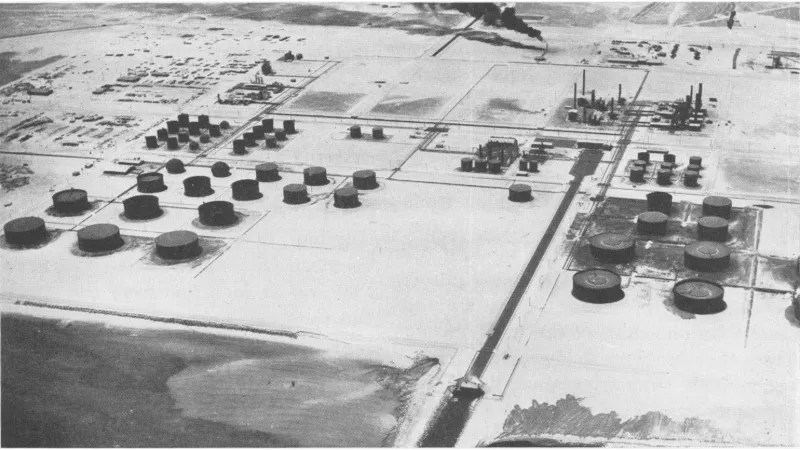
In the same statement, Sarea said the group carried out two operations against Saudi targets on Sunday. The first allegedly hit the Rabigh oil refinery on the Red Sea coast, with what he called a "direct hit." The second targeted a radar installation in Wadi ad-Dawasir, south of Riyadh, in two stages.
The spokesman did not say what weapons were used or the extent of the damage. Reuters reported it could not independently verify the claims.
On the Saudi side, coalition spokesman Turki al-Maliki said air defenses destroyed a Houthi drone launched toward Riyadh, according to Al Jazeera, citing AFP. Hours earlier, he had announced the interception of a ballistic missile fired at the country's western region, where the Yanbu oil terminal and Jazan refinery are located.
Houthi-controlled media also reported a Saudi airstrike on a fuel station belonging to the state oil company in Sanaa. According to Anis al-Asbahi, spokesman for the Health Ministry linked to the group, six employees were injured. The coalition did not immediately comment.
How the war escalated again
The conflict began in late 2014, when the Houthis took Sanaa and much of northern Yemen. Saudi Arabia entered the war in 2015 to support the internationally recognized government. A UN-brokered ceasefire in 2022 largely froze the fighting.
The truce ended this year. The Houthis announced a blockade of Saudi ports and, in September, seized much of the Red Sea coast near the Bab al-Mandeb strait. The Yemeni government launched a counteroffensive in October.
In recent weeks, the group has targeted airports, oil facilities and military areas in Saudi Arabia. According to Saudi authorities, Houthi attacks have killed 26 people in the country since September, 23 of them at airports. In Riyadh, the tower housing the headquarters of Saudi Arabia's sovereign wealth fund, the Public Investment Fund, had several floors damaged on Thursday (19), and an Aramco building had already been hit earlier this month.
What comes next
Analysts cited by Al Jazeera link the new phase of the war in Yemen to the broader regional confrontation and the US and Israel's war against Iran. With fighting on multiple fronts, there are warnings of further displacement of residents and food shortages in Yemen.
For Brazil, the point of concern is the disputed region: Saudi refineries and oil terminals and the Red Sea route are among the targets cited by both sides. As of the publication of this report, the Saudi coalition had not commented on the count of 81 attacks released by the Houthis.
Sources: CNN Brasil (Reuters), Al Jazeera
Frequently asked questions
How many Saudi attacks in Yemen did the Houthis report?
According to military spokesman Yahya Sarea, there were 81 airstrikes and missile attacks in 24 hours, in Sanaa and seven other provinces, with civilian casualties.
What do the Houthis say they attacked in Saudi Arabia?
The Rabigh refinery on the Red Sea and a radar installation in Wadi ad-Dawasir, south of Riyadh. The claims have not been independently verified.
Since when has the war in Yemen intensified again?
The 2022 truce ended this year. In September the Houthis took part of the Red Sea coast, and the Yemeni government responded with a counteroffensive in October.