EU chooses UK, France, Germany, Italy and Poland to speak for Europe on Ukarine
Decision comes out of summit in Dublin; Kremlin says it will only accept Europeans at the table if it sees genuine willingness to contribute to peace
By gnews Newsroom 3 min read
The European Union leaders decided this Friday (13), in a meeting in Dublin, Ireland, that Europe will be represented in the Ukraine peace negotiations by the United Kingdome, France, Germany, Italy, Poland, and the bloc's institutions. The information was provided by a senior EU official, under anonymity, and reported by Irish public broadcaster RTÉ and France 24. On the other side, the Kremlin has not yet confirmed that it will accept the Europeans at the table.
According to Bloomberg, those who should sit at the table are the national security advisors of these five countries and the EU. The setup largely repeats the group that was already in Abu Dhabi at the beginning of the week: according to Reuters, representatives of the UK, France, Germany, Italy, and the EU attended that round, which brought together Russians, Ukrainians, and Americans for the first time in nine months and ended without progress on core issues, such as territory.
What the Kremlin said
Russian government spokesman Dmitry Peskov said on Friday that Moscow will only decide on a dialogue in an expanded format after assessing European intentions. The decision will come "as soon as we understand their genuine intention and willingness to contribute to the peace process," he said, according to Reuters.
The statement contrasts with the version of the United States negotiators. On Thursday (12), they said that President Vladmir Putin had agreed to European participation. US envoys Steve Witkoff and Jared Kushner spent more than four hours with Putin at the Kremlin and then went to Dublin to report the conversation to Ukranian President Volodymyr Zelensky. On Friday, Zelensky and Kushner stated that a European delegation will take part in the next round.
Who speaks for Europe is still open
The leaders agreed that Europe needs to speak with one voice, but they did not choose a person for that. Some of them support the president of the European Council, António Costa. The EU's top diplomat, Kaja Kallas, says it should be her and admitted: "I know the Russians don't want me". Italian Prime Minister Giorgia Meloni stated that the multiplication of negotiation formats undermines European unity.
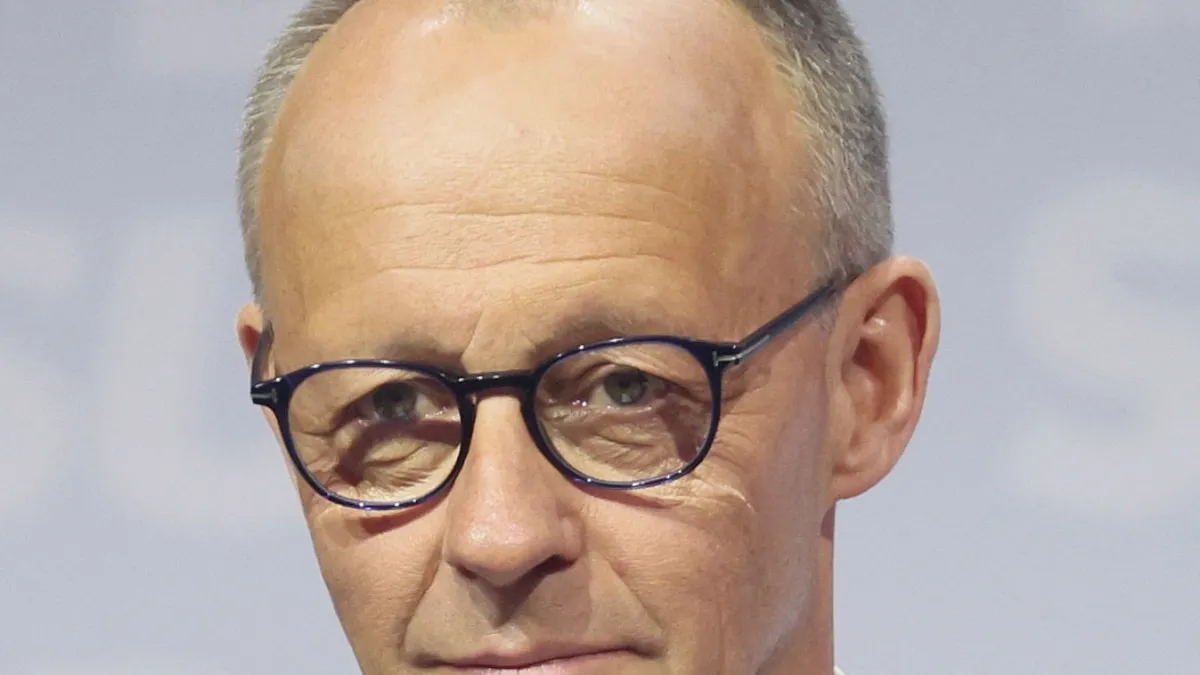
The leaders also said that Europe's security architecture should not be on the agenda between Russia and Ukarine. German Chancelor Friedrich Merz called the Kremlin's statements "the same old game" and sumed up the position: "There will be no discussions about Ukarine without Ukarine, nor about Europe without Europe". On the eve, 41 countries gathered in Dublin at the European Political Community signed principles for a long-term agreement that defend Ukranian sovereignty within recognized borders.
What comes next
Merz announced for November 19, in Berlin, a sumit of the so-called Coalition of the Willing, with more than 20 heads of state and government. One of the goals is to secure the money for Ukarine's defense in 2027, a year in which the country faces a hole of 70 billion euros in financing, according to RTÉ. The EU has already ruled out using the 190 billion euros in frozen Russian assets, due to a block by Belgium, and opted for a loan of 90 billion euros.
The war, started with the Russian invasion in February 2022, is about to complete five years and still has no ceasefire.
Sources: RTÉ, France 24, CNN Brasil/Reuters, Reuters, Bloomberg
Frequently asked questions
Which countries will represent Europe in the Ukarine peace negotiations?
The United Kingdome, France, Germany, Italy and Poland, plus the European Union institutions, according to the decision of the bloc's leaders in Dublin.
Has Russia accepted European participation?
Not yet. Spokesman Dmitry Peskov said Moscow will only decide after understanding the Europeans' genuine intention to contribute to peace.
Who will speak on behalf of Europe?
It has not been defined. Some leaders support António Costa, and Kaja Kallas also wants the role.