British Fractile Raises $720M to Make AI Chips, Now Valued at Over £5B
Funding round includes money from the UK government, which wants a share of the market dominated by Nvidia; the company promises to deliver its first chips and systems in 2027
By gnews Newsroom 3 min read
The Fractile, a British startup that develops AI chips, closed a $720 million Series C round this Wednesday (11), according to TechCrunch. The UK government, which entered the deal through the Sovereign AI fund (a government initiative for AI sovereignty) and the state-owned British Business Bank, said the round exceeds £500 million and that the company is now valued at over £5 billion. The Financial Times and Reuters report a valuation of about $7 billion.
Private investors include Lightspeed Venture Partners and Redpoint. The British government did not disclose how much it invested: the Sovereign AI fund says it does not comment on specific investment amounts.
What Fractile does
Founded in 2022 and led by founder Walter Goodwin, Fractile is based between London and Bristol. The company describes itself as a frontier AI company that does not build models but the hardware to run them. The focus is inference, the stage where an already trained model responds to user requests.
The startup's argument is that the response speed of large language models hits a bottleneck with memory bandwidth, which has not kept up with processor advances. To get around the problem, Fractile's chips stack DRAM memory directly onto the chip. The declared goal on the company's website is to generate thousands of tokens (pieces of text) per second even with very long contexts. Fractile has not yet released specifications or performance tests.
Besides the chip, the company develops a compiler, the software that translates models to run on its hardware. According to TechCrunch, this full-stack approach carries more weight as AI agents advance, as they chain long tasks and put heavy demands on memory.
Why the UK government invested
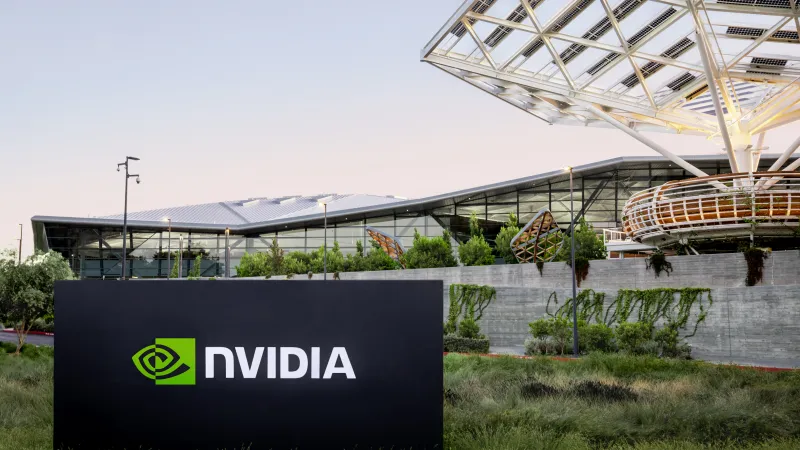
The UK wants its own slice of the hardware that will underpin the economy in the coming years, currently dominated by American companies like Nvidia. AI Minister Kanishka Narayan said Fractile "represents the best of British ambition". Joséphine Kant, partner at Sovereign AI, said the company has the potential to compete "with the best in the world".
The announcement came two weeks after the British budget earmarked an additional £140 million for the Sovereign AI fund. The government also plans up to £2 billion in computing infrastructure in the coming years.
The round puts Fractile among the best-funded AI chip startups, alongside names like Axelera and Etched. In May, the company had already raised $220 million in a Series B led by Accel, Factorial Funds and Founders Fund, according to Evertiq.
What comes next
In a LinkedIn post, Goodwin wrote that the money will allow the company to deliver its first chips and systems next year, but stressed that there is still a lot of work ahead. In other words, there is no product for sale yet.
There is no information about Fractile chips being offered in Brazil. As the hardware is aimed at data centers, the effect for the average user, if any, will be indirect: more competition among chip suppliers tends to make everyday AI services cheaper and faster.
Sources: Governo do Reino Unido (GOV.UK), TechCrunch, Site oficial da Fractile, Evertiq
Frequently asked questions
What is Fractile?
A British startup founded in 2022, based in London and Bristol, that develops chips and systems to run artificial intelligence models.
How much is Fractile worth?
The UK government says the company is worth over £5 billion. The Financial Times and Reuters report about $7 billion.
When will Fractile’s chips reach the market?
Founder Walter Goodwin said the company should deliver its first chips and systems in 2027. There is no information about sales in Brazil.