IMF chief says global economy is standing on one leg, that of AI, and warns of risks
Kristalina Georgieva says a sudden loss of confidence in AI investments could affect growth and financial stability
By gnews Newsroom 3 min read

The relationship between IMF and AI got a warning this Monday (16). IMF Managing Director Kristalina Georgieva said the global economy is "standing on one leg, the AI leg," and that a sudden loss of confidence in artificial intelligence investments could weaken global growth. The statement was given in an interview with the American network CNBC, during the ASEAN summit, the Southeast Asian bloc, in the Philippines.
"If that leg wobbles, it could lead to financial stability problems," Georgieva said. For her, investor expectations are ahead of what the technology has proven to deliver, and so some corrections end up being necessary.
What worries the IMF
The central issue is the so-called circular financing among AI companies. It works like this: one company invests in another, and the money returns to the investor in the form of purchase orders, such as chips and cloud services. According to IMF estimates, this type of operation exceeds US$ 1 trillion, and about two-thirds is funded with debt.
Georgieva noted that the volume is not enormous, but that the growth was rapid. Regarding recent stock market fluctuations, she assessed that the moves were orderly and should not undermine the global economy, but called for attention: "We have to remain vigilant."
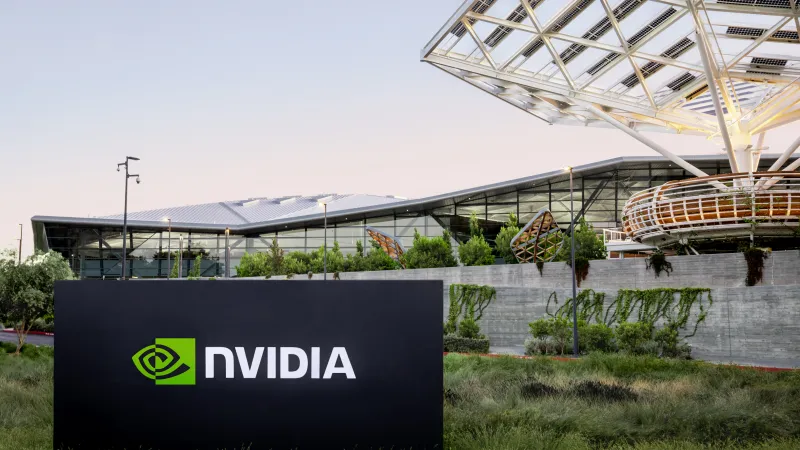
The alert comes amid a wave of selling in AI-related stocks. Nvidia, the largest maker of chips for the technology and one of the major funders of this infrastructure, lost more than US$ 1 trillion in market value last month, according to CNBC, in a period marked by Jensen Huang's departure from the company's leadership. A UBS bank analyst, Tim Arcuri, estimated that a pullback in Nvidia's financing could take US$ 50 billion or more out of the system.
The numbers at stake
In October, the IMF raised its forecast for global economic growth in 2026 to 3.1%. The expansion of AI investments has been one of the drivers of that result and, according to the Fund, helps offset the energy crisis linked to the war in Iran.
The same October report outlined a negative scenario. If artificial intelligence fails to meet expectations, U.S. stocks could fall 20% in 2026, and global output would be 1.1% below the baseline projection by 2028. The IMF also estimates that about 40% of the world's workforce will be affected by AI.
- Circular financing in AI: just over US$ 1 trillion, two-thirds with debt
- Projected global growth for 2026: 3.1%
- Bad scenario: 20% drop in U.S. stocks and global output 1.1% lower by 2028
Warning also at COP31
Concern about AI also appeared at the United Nations climate conference, COP31, in Antalya, Turkey. According to Olhar Digital, UN Climate Change Executive Secretary Simon Stiell called the technology a "double-edged sword" in the fight against global warming, because of the water and energy consumption of data centers. A voluntary commitment proposed by the Turkish presidency asks AI companies to disclose their environmental impacts and prioritize renewable sources.
What comes next
The coming days should test market sentiment: Nvidia's earnings report and Anthropic's initial public offering are scheduled for this week. In the interview, Georgieva did not detail specific effects for Brazil, but a sharp correction in U.S. stock markets tends to spread to emerging markets.
Sources: CNBC, Olhar Digital
Frequently asked questions
What did the IMF chief say about AI?
Kristalina Georgieva said the global economy is standing on one leg, that of AI, and that a sudden drop in confidence in these investments could bring financial stability problems.
What is circular financing in AI?
It is when one company invests in another and the money comes back to it as purchase orders. The IMF estimates these operations exceed US$ 1 trillion, with two-thirds funded by debt.
What is the IMF's worst-case scenario?
If AI fails to meet expectations, U.S. stocks could fall 20% in 2026 and global output would be 1.1% below the baseline by 2028.