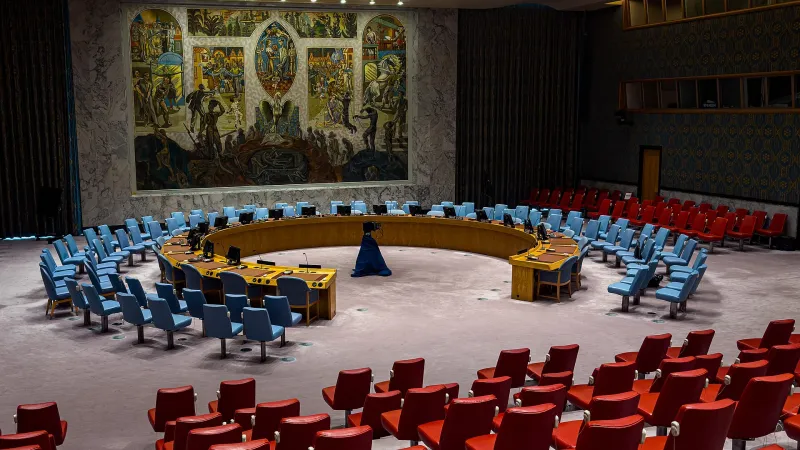
UN countries to draft rules for killer robots by 2028, but without binding commitment
Conference in Geneva ended early Saturday with a weaker mandate than requested by most countries, including Brazil; Russia and the U.S. resisted
By gnews Newsroom 3 min read
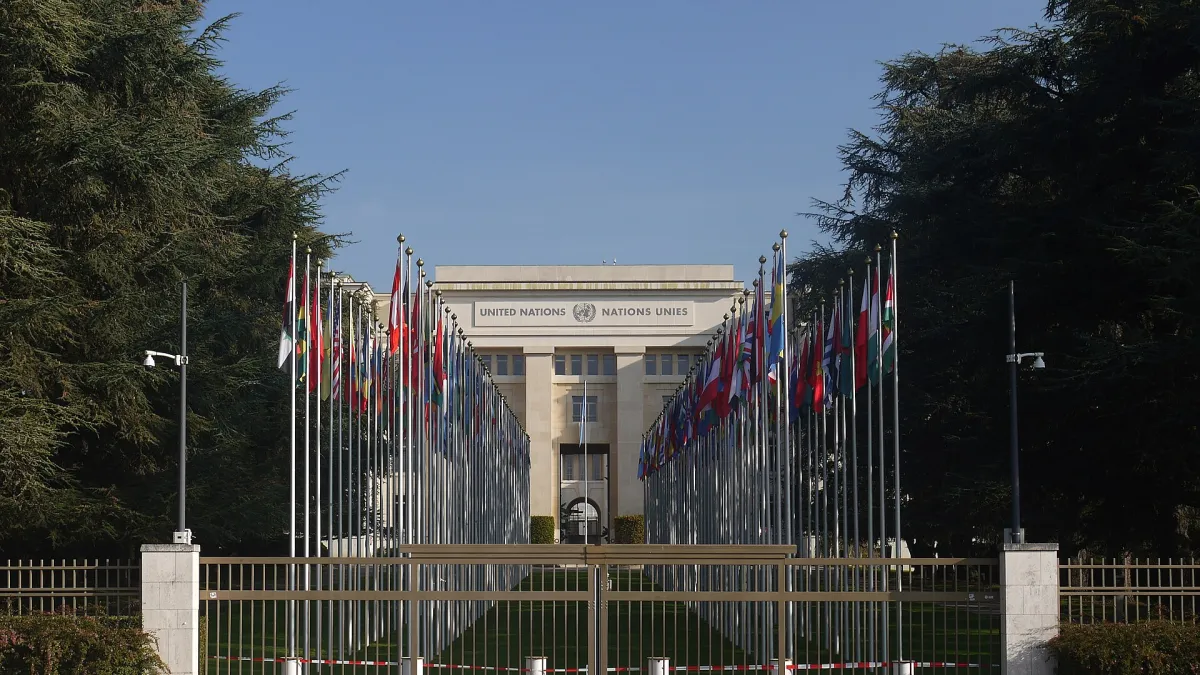
The 128 countries that are parties to the UN Convention on Certain Conventional Weapons agreed this Saturday (21) to start a two-year process to draft an international instrument on so-called killer robots, weapons that can select and attack targets with little or no human supervision. However, the text does not ensure that the future rules will be binding, and fell short of what most governments, the UN Secretary-General, and human rights organizations had called for.
The agreement emerged from the 7th Review Conference of the convention, held at the Palais des Nations in Geneva from November 16 to 20. Discussions went past the deadline and only ended in the early hours of Saturday, according to AFP. According to diplomats cited by Reuters, delegates spent the night haggling over a few words after Russia's objections to procedural rules forced the cancellation of some formal meetings.
What was decided
Under the approved text, countries will 'start drafting' an instrument on lethal autonomous weapons systems over the next two years — that is, by 2028. The conference president, Swiss ambassador Julien Thöni, told AFP that some countries rejected the word 'negotiate,' so the chosen verb was 'draft.' He said the work should define which weapons can be banned under international humanitarian law and which can only be regulated.
Thöni described the outcome as an achievement for humanitarian disarmament after more than ten years of talks. 'Even in today's deeply divided world, multilateral diplomacy can still deliver concrete results,' he said, according to Reuters. UN disarmament chief Izumi Nakamitsu also called it a significant achievement, but admitted that the glass could be seen as half full or half empty.
Who resisted and Brazil's role
Around 100 countries wanted legally binding rules in the short term, according to Reuters. Major arms producers, such as the United States, Russia, and Israel, opposed them. Activists cited by AP pointed to Russia as the main party responsible for weakening the text, with support from the Amerians.
Brazil was among the seven countries that, before the conference, proposed opening formal negotiations for a treaty, alongside Austria, Belgium, Ireland, Mexico, New Zealand, and Panama. The proposal did not prosper. Brazilian ambassador Frederico Meyer summed up the impasse to AP: 'Technology is advancing faster than diplomacy.'
Because the convention operates by consensus, any country can block progress. For that reason, some observers and former military officials argue that governments should consider a process outside the current UN format.
Reaction from organizations and what comes next
The Stop Killer Robots campaign called the outcome a diluted mandate. 'Delying the creation of a legally binding instrument puts civilians and humanity at risk,' said executive director Nicole van Rooijen. Verity Coyle of Human Rights Watch said the result was disappointing and that technology is racing ahead of regulations.
The pressure for firm rules also came from Pope Leo XIV, the Red Cross, and UN Secretary-General António Guterres, who had set 2026 as the deadline for talks to begin and is leaving office at the end of the year. The debate gained urgency with the growing use of autonomous weapons in conflicts such as those in Ukraine, Sudan, and the Middle East.
The next two years of work will take place within the convention itself. Only at the end of that period will it become clear whether the instrument will have the force of a treaty or will be merely a set of recommendations.
Sources: Agência Brasil (Reuters), AP, via Boston Globe, AFP, via Free Malaysia Today, ONU Genebra
Frequently asked questions
What are killer robots?
It is the name given to lethal autonomous weapons systems, capable of identifying and attacking targets with little or no human supervision.
Does the UN agreement ban these weapons?
No. The countries only agreed to draft an instrument on the topic within two years, without a commitment that the rules will be legally binding.
What was Brazil's position?
Brazil was one of the seven countries that proposed opening treaty negotiations before the conference, alongside Austria, Belgium, Ireland, Mexico, New Zealand, and Panama.