Guterres tells UN Security Council 'killer robots' have no place in future, calls for treaty
UN Secretary-General listed three risks of artificial intelligence to peace and demanded binding rules for systems that choose targets without human control
By gnews Newsroom 3 min read
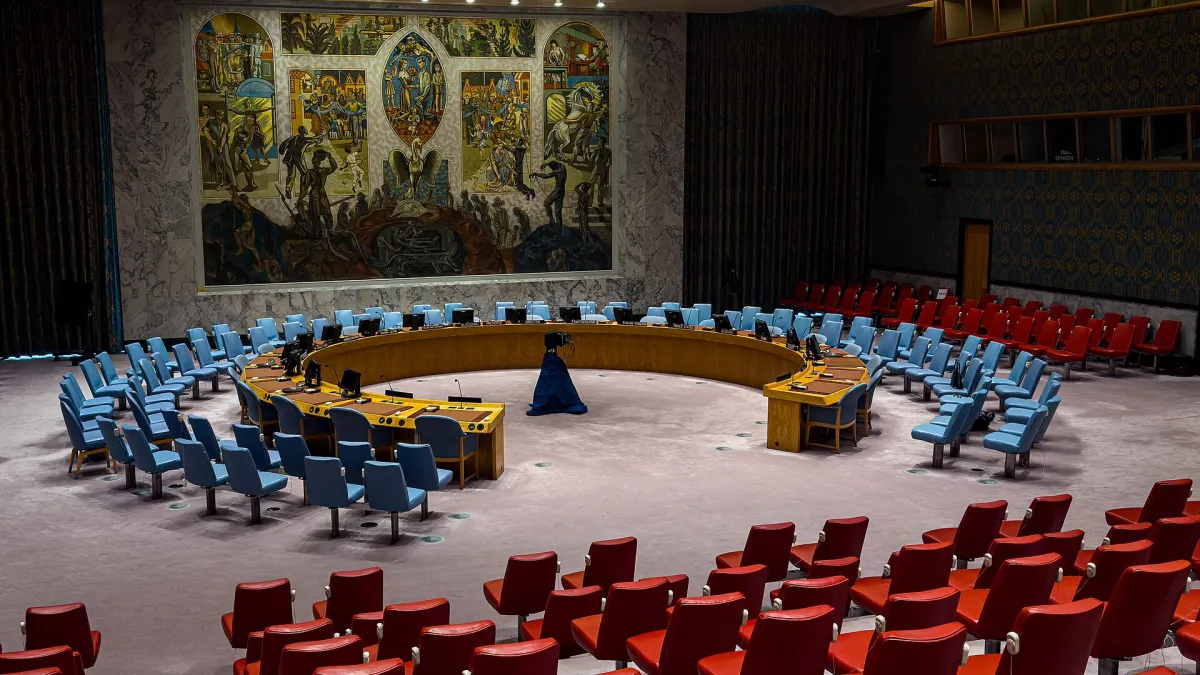
UN Secretary-General António Guterres on Tuesday (24) urged the Security Council to urgently open negotiations on a legally binding instrument on lethal autonomous weapons, systems capable of selecting targets and killing without human control. "Killer robots cannot have a place in our future," he said during an open debate on conflict resolution in an era of rapid technological change.
For Guterres, machines that select targets and take lives without human oversight are "morally repugnant and politically unacceptable." He argued that people must retain control over all life-and-death decisions on the battlefield and summed up: "The answer can never be 'the algorithm did it'."
The three risks flagged by the UN
According to Turkey's Anadolu news agency, which followed the session, the Secretary-General broke down the dangers of artificial intelligence into three fronts.
- Military use: AI is already used for intelligence gathering, target selection and other combat functions, and increasingly autonomous capabilities are within reach of states and non-state armed groups, including in cyberspace, space and life sciences.
- Disinformation: Fabricated content can undermine negotiations. "A fabricated voice or video can derail a peace process or incite violence," he said. He recalled that many of these attacks target women in politics and conflict mediation.
- Unchecked race: The commercial and geopolitical race for AI increases demand for energy, water, critical minerals and industrial capacity, creating tensions between countries, while developing nations have little voice in the issue.
Guterres also said that tech companies must recognize that they can be held accountable when their products or services contribute to violations of international law, humanitarian law or human rights.
What the UN proposes
The Secretary-General called for more cooperation through the Global Dialogue on AI Governance and the Independent International Scientific Panel on AI. Among the measures he cited are common standards for advanced systems, shared ways to assess and verify risks, safeguards with independent oversight, and direct communication channels between countries to reduce the risk of misunderstandings. He compared the situation to aviation, medicine and nuclear energy, sectors that already follow safety rules, and said that "the same standard should apply to artificial intelligence."
Guterres acknowledged positive uses of the technology: predicting food insecurity and disaster-driven displacement, locating and removing land mines, evacuating wounded soldiers with unmanned vehicles, and supporting the logistics and planning of peacekeeping missions. But he stressed that none of that replaces human relationships and trust.
Stalled negotiations in Geneva
The appeal comes days after a setback. According to UN News, last week in Geneva, an initiative of about 100 countries to negotiate a binding instrument on lethal autonomous weapons did not move forward. The UN news service also reports that a new informal group of Security Council experts on technology, peace and security met for the first time on November 18.
Tuesday's debate comes at a time when drones and AI-guided systems are gaining ground in conflicts around the world. The session reports consulted did not include the position presented by Brazil in the debate.
Sources: ONU News, Anadolu Agency
Frequently asked questions
What are lethal autonomous weapons?
They are systems capable of selecting targets and killing without human control. Guterres called them morally repugnant and politically unacceptable.
What did Guterres ask the Security Council?
Urgent negotiations for a legally binding instrument on these weapons, as well as common standards, risk verification and independent oversight of AI.
Is there already an international agreement on the subject?
No. In Geneva last week, an initiative by about 100 countries to negotiate a binding instrument did not advance, according to UN News.