Colombia marks 10 years of Farc peace deal a day after car bomb injures 23 in Villavicencio
UN calls for redoubled efforts in the five years remaining of implementation; President Abelardo de la Espriella blames narcoterrorism for the attack in Meta
By gnews Newsroom 3 min read
The Colombia peace deal between the government and the former Revolutionary Armed Forces of Colombia (Farc) guerrilla group marks its tenth anniversary this Tuesday (24). The date comes amid a fresh attack: on Monday night (23), a car bomb exploded near the government headquarters of the department of Meta, in Villavicencio, its capital, leaving at least 23 injured, according to police. No deaths were reported.
The final text was signed on November 24, 2016, in Bogotá, after voters rejected an earlier version in a plebiscite that October. The agreement sets a 15-year implementation period, with five years remaining.
The attack in Villavicencio
The explosion occurred around 9:30 p.m. local time (11:30 p.m. Brasília time), near Los Libertadores Square. According to CNN Brasil, the preliminary report indicates a blast radius of about 500 meters, two businesses destroyed—one a coffee shop—and at least three vehicles damaged. Many of those treated were from the security team of the government building; five security guards are among the injured, the Anadolu Agency reported. The city's security advisor said no one suffered serious injuries.
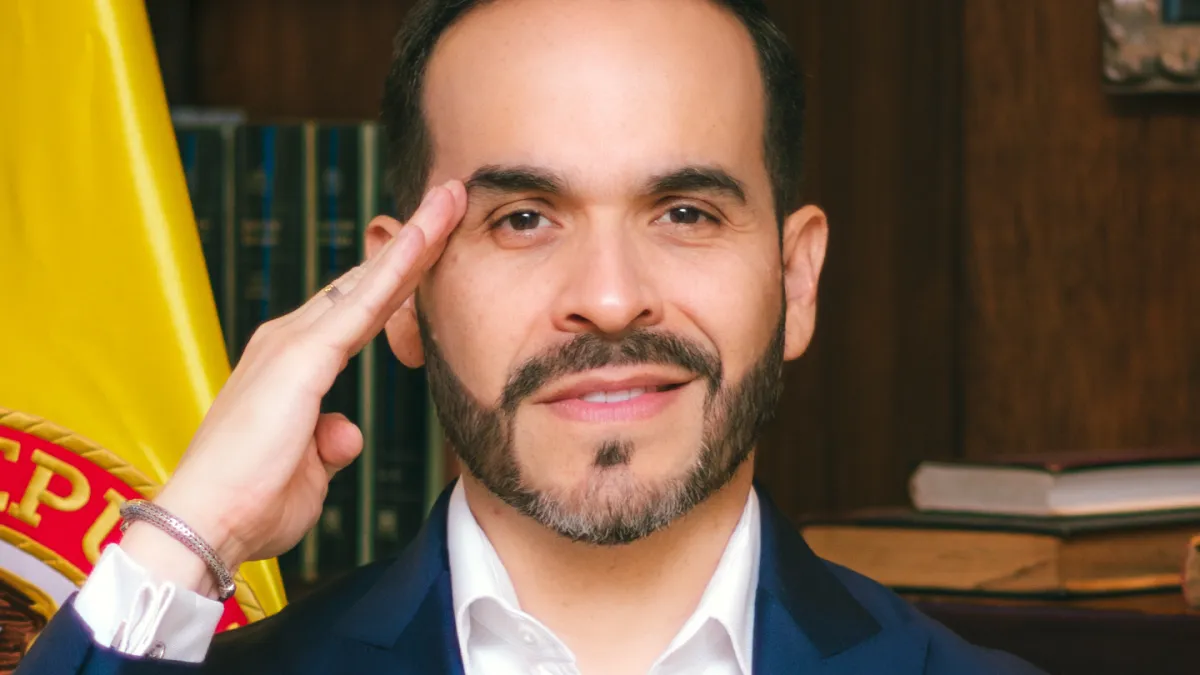
President Abelardo de la Espriella blamed the attack on narcoterrorism, without naming a specific group. On social media, he wrote: "We will not negotiate under terror." The governor of Meta, Rafaela Cortés, said the priority is to prevent further attacks and clarify what happened. Explosives experts and intelligence agencies scoured the area for other devices.
What the deal has delivered in ten years
For Colombian journalist and political analyst Pedro Viveros, speaking to Reuters, the greatest achievement was taking weapons out of the conflict. "The most important thing is that 14,000 rifles were removed from the conflict," he said. The president of the Special Jurisdiction for Peace (JEP), the court created by the agreement, Danilo Rojas Betancourth, said the court helped bring together "those who seemed irreconcilable."
The balance, however, is uneven. The Kroc Institute for International Peace Studies, which monitors the deal's implementation, counts 578 provisions to be fulfilled in the long term, with irregular progress. According to Viveros, the process stalled under the government of Iván Duque and did not gain momentum under Gustavo Petro, whose "total peace" policy opened space for criminal economies in several territories. Duque, for his part, criticized on November 11 the lack of exemplary sentences from the JEP against those most responsible for crimes.
A report by the Ombudsman's Office released on the same day, November 11, points out that 36% of the country's municipalities are under security alerts and that 521 former Farc combatants have been murdered since 2016.
UN urges commitment in the final years
In a statement issued by spokesperson Stéphane Dujarric, UN Secretary-General António Guterres said that "ten years ago, the people of Colombia took an inspiring step toward peace." He said he was deeply concerned about the violence in regions still affected by the conflict and called for redoubled efforts in the reintegration of former combatants, the extension of state presence to marginalized territories, and the guarantee of victims' rights.
Why it matters for Brazil
Colombia shares a border with Brazil in the Amazon, and the dispute among armed groups over drug trafficking routes, which intensified after the Farc's exit, is the backdrop for the recent attacks. What comes next is the final stretch of the implementation deadline, which ends in 2031, under a government that says it will not negotiate with those who carry out attacks.
Sources: CNN Brasil (Reuters), CNN Brasil, TRT World (Anadolu), Latin Times
Frequently asked questions
When was the peace deal with the Farc signed?
On November 24, 2016, in Bogotá, after an earlier version was rejected in a plebiscite in October of that year.
What happened in Villavicencio?
On the night of November 23, a car bomb exploded near the Meta government headquarters, leaving at least 23 injured, according to police. There were no deaths.
Has the peace deal been fulfilled?
Not entirely. The Kroc Institute tracks 578 provisions with uneven progress, and the implementation deadline runs until 2031.