Copom Minutes Point to Persistent Inflation Despite Economic Slowdown
Central Bank sees expectations drifting from the 3% target and assesses that the Selic rate should remain at a restrictive level for longer.
By gnews Newsroom 3 min read
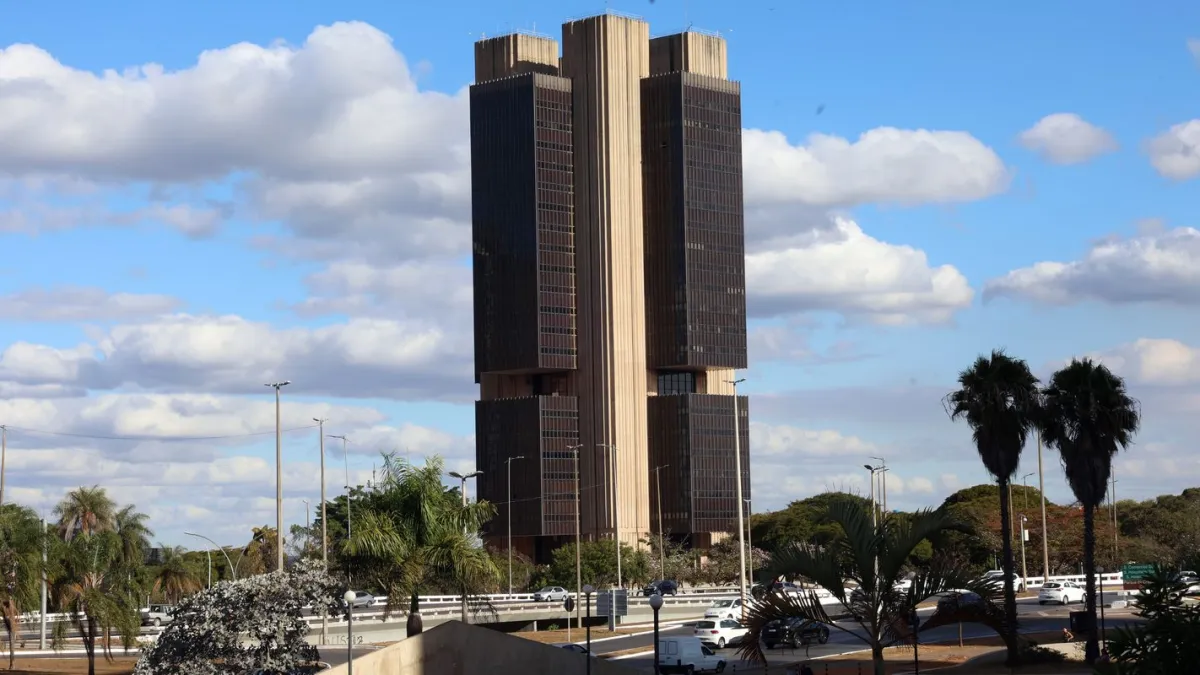
The minutes of the Monetary Policy Committee (Copom, the Brazilian Central Bank's rate-setting body), released this Tuesday (10), point to a slowdown in the Brazilian economy, but inflation remains above the tolerance limit of the 3% target.
Recent indicators show “a more pronounced moderation in economic activity, especially in more cyclical sectors.” Even with weakening demand, inflation has accelerated again and remains under pressure.
The Central Bank assesses that the Selic rate (Brazil's benchmark interest rate) should remain at a restrictive level for longer. Information related to the minutes notes that the base interest rate was kept at 13.75% per year and points out that Brazil has the highest real interest rate in the world, followed by Turkey and Argentina.
What the minutes say about employment and inflation
The document describes a labor market with unemployment at historically low levels, but with a slowdown in job growth. The minutes state: “The unemployment rate remains at historically low levels, while the growth rate of employment has been decelerating.”
Average earnings also lost momentum at the margin, although they continue to rise above labor productivity. According to the Copom, they “still grow in real terms at a rate higher than that of labor productivity,” a behavior monitored for possible effects on inflation.
Market projections for the coming years continue to drift away from the 3% target. For the committee, “in an environment of unanchored expectations, as is currently the case, a greater and longer monetary restriction is required than would have been appropriate in the past.”
How public accounts and the external scenario weigh
The Copom links inflation control to the conduct of fiscal policy. Uncertainties about the stabilization of public debt and a possible weakening of structural reforms and fiscal discipline could hinder the convergence of inflation to the target.
The committee also reiterated the “need for harmonious fiscal and monetary policies.” In the Central Bank's assessment, the international environment has become more adverse since the previous meeting.
The minutes link the external deterioration to the continuation of conflicts in the Middle East, which raised oil prices, and to the maintenance of restrictive monetary conditions in advanced economies. The document also cites the “increase in asset and commodity price volatility” and recommends caution for emerging countries.
Which factors continue to pressure prices
The Copom combines the domestic slowdown with four supply shocks: the rise in oil prices linked to conflicts in the Middle East; the effects of El Niño on agricultural production and energy costs; the impacts of the end of the 6x1 work schedule (six days on, one day off) on labor costs; and the depreciation of the Brazilian real against the dollar.
These factors continue to pressure inflation, but the committee assesses that a more intense slowdown in activity could limit the propagation of shocks to other sectors. This could reduce the risk of more persistent inflationary pressures.
With information from Agência Brasil.
Frequently asked questions
What do the Copom minutes say about inflation?
The minutes state that inflation has accelerated again and remains above the tolerance limit of the 3% target.
Why does the Central Bank keep interest rates at a restrictive level?
The Copom cites inflation expectations drifting from the target and supply shocks that continue to pressure prices.
Which supply shocks were cited by the Copom?
The document mentions oil, El Niño effects, labor costs linked to the end of the 6x1 work schedule, and the depreciation of the real against the dollar.