Dollar rises 1.46% to close at R$5.586, highest in 15 months, amid U.S. inflation
U.S. inflation above expectations reinforced bets on Fed rate hike, and Copom minutes increased caution; Ibovespa fell 0.52%
By gnews Newsroom 3 min read
The dollar's rise gained strength this Tuesday (10). The U.S. currency rose 1.46% to close at R$ 5,586, the highest closing value since July 31, 2025, according to Agência Brasil, Brazil's state-run news agency. During the session, it reached R$ 5.6135.
With this result, the dollar has accumulated a 2.60% gain in the first six sessions of November. In October, the currency had already risen 5.20% against the Brazilian real. On the stock exchange, the Ibovespa, Brazil's benchmark stock index, fell 0.52% to end the day at 171,336.99 points.
U.S. inflation drove the move
The main reason was the U.S. consumer price index, released in the morning. U.S. inflation rose 0.4% in October, above the 0.3% forecast by economists polled by Reuters, according to Forbes Brasil, the Brazilian edition of Forbes. The core index, which excludes more volatile items, advanced 0.3%, also above projections.
The figure reinforced expectations that the Federal Reserve, the U.S. central bank, will raise interest rates again in December. According to CME Group data, the chance of a 0.25-point hike rose from 84% to 88.2%. The possibility of a larger increase of 0.50 point, previously zero, reached 11.8%.
Fed officials also spoke of tightening. Dallas Fed President Lorie Logan said at least two more 0.25-point hikes will be needed. Governor Christopher Waller advocated raising rates next month and considering 0.50 point if inflation worsens.
Higher U.S. interest rates make American bonds more attractive and strengthen the dollar worldwide. The DXY index, which measures the U.S. currency against other major currencies, rose 0.55%. Regional currencies, such as the Chilean and Mexican pesos, fell more than 1% during the day.
Copom minutes increased caution
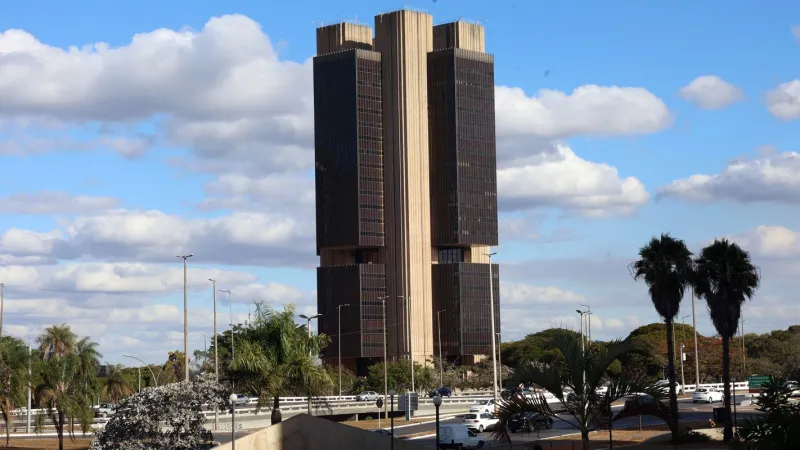
In Brazil, the minutes of the latest meeting of the Monetary Policy Committee (Copom, the Brazilian Central Bank's rate-setting body), released the same day, weighed on the real. The Central Bank document pointed to higher inflation expectations and lower growth projections.
The Central Bank listed four supply shocks that are concerning:
- the rise in oil prices linked to the war in the Middle East;
- the effects of El Niño;
- the impact on labor costs from the end of the 6x1 work schedule (a system where employees work six days and rest one);
- the depreciation of the real due to domestic political uncertainties.
For Vitor Kayo, senior economist at Nomad, the minutes indicate high interest rates for longer and reinforce a tone of caution. In his assessment, external and internal factors point in the same direction.
Oil went the opposite way and fell for the second straight session. Brent crude for January delivery dropped 1.17% to $91.49 a barrel, after U.S. officials reduced tensions with Iran.
What it means for your wallet
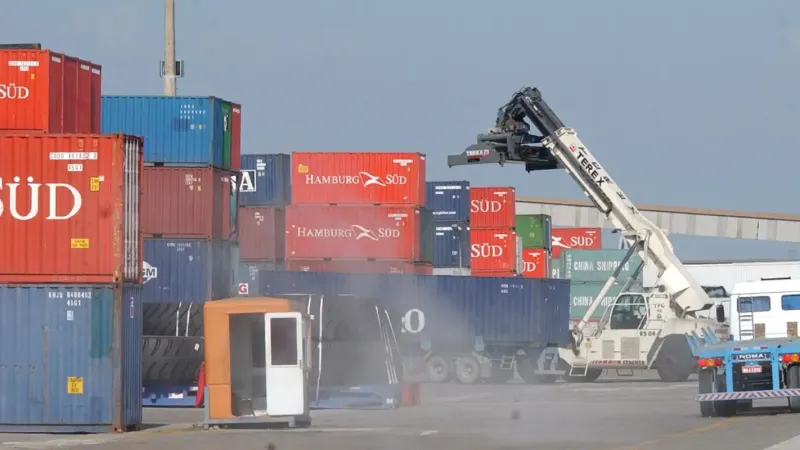
A more expensive dollar makes everything priced in the U.S. currency more costly: trips abroad, international online purchases, card spending outside the country, and imported products like electronics. It also weighs on inputs bought from abroad, which can eventually reach consumer prices.
In Goiás, a state in central Brazil where agribusiness carries significant economic weight, the exchange rate cuts both ways: exporters receive more reais for each dollar sold, but imported inputs become more expensive. In the coming days, the market will remain attentive to signals from the Fed ahead of the December meeting and to the next steps of Brazil's Central Bank.
Sources: Agência Brasil, Forbes Brasil
Frequently asked questions
How much did the dollar close at on Tuesday (10)?
The commercial dollar closed up 1.46% at R$5.586, the highest closing value since July 31, 2025. During the session, it reached R$5.6135.
Why did the dollar rise today?
U.S. inflation rose 0.4% in October, above expectations, and increased bets on a Fed rate hike in December. In Brazil, the Copom minutes indicated high interest rates for longer and increased caution.
How much has the dollar risen in November?
The currency has accumulated a 2.60% gain in the first six sessions of November, after rising 5.20% in October.