ESA Confirms BepiColombo Spacecraft Enters Mercury Orbit After 8-Year Trip
Contact with Earth was reestablished Saturday night, hours after the 37-minute burn; the two orbiters will separate in December and science begins in April 2027.
By gnews Newsroom 3 min read
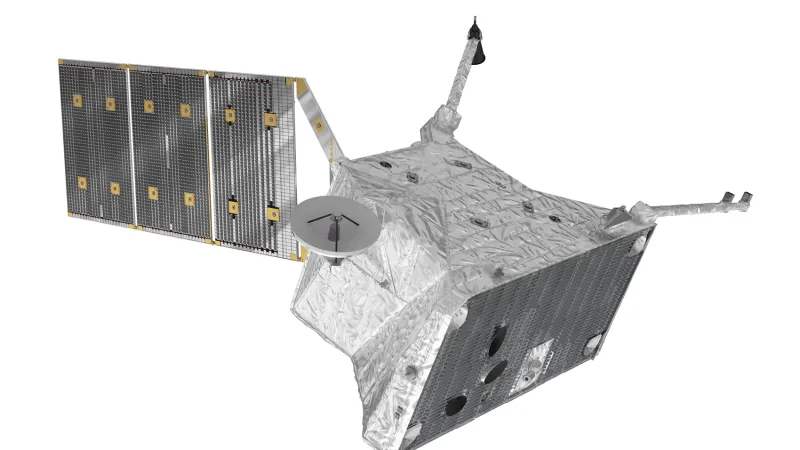
The BepiColombo spacecraft, a mission of the European Space Agency (ESA) and the Japan Aerospace Exploration Agency (JAXA), has been captured by Mercury’s gravity. Confirmation came at 9:56 p.m. Brasília time (BRT, UTC-3) this Saturday (21), in a post on ESA’s operations profile: the spacecraft reestablished contact with Earth, and the flight dynamics team confirmed it entered orbit around the planet.
According to the agency, technicians at the European Space Operations Centre (ESOC) in Germany are still analyzing telemetry data sent by the probe. ESA promised to announce the next steps of the mission early next week.
How the maneuver worked
The capture relied on a braking maneuver. At 3:24 p.m. (Brasília time), the four chemical thrusters of the European orbiter were fired for 37 minutes during the closest approach to the planet, at an altitude of 635 km (about 395 miles). At 4:01 p.m., the operations profile reported that the burn had ended and that the deep-space antenna at New Norcia, Australia, was awaiting the signal as the spacecraft rotated back to its normal position.
The return of contact was expected at 6:37 p.m., according to the official mission profile on X, but the announcement came more than three hours later. ESA did not explain the delay.
What is BepiColombo
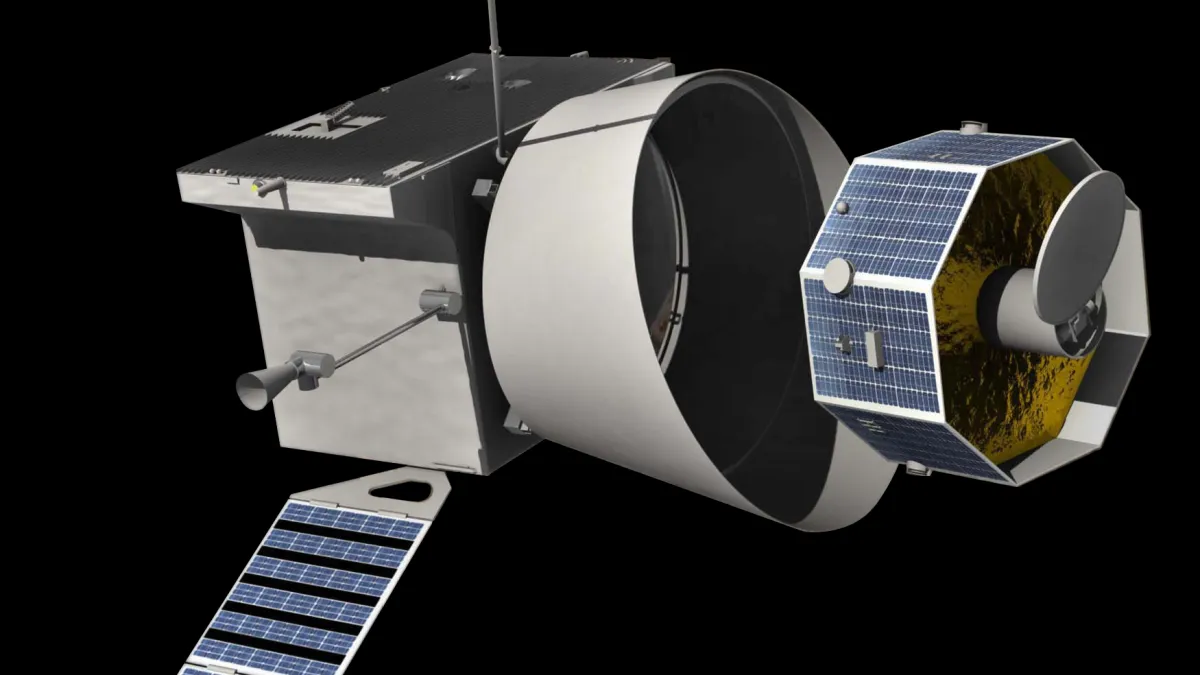
The mission carries two orbiters: the European Mercury Planetary Orbiter (MPO) and the Japanese Mercury Magnetospheric Orbiter, called Mio. They were launched together in October 2018 on an Ariane 5 rocket from French Guiana, attached to a propulsion module that separated on September 3.
The journey took more than eight years, one year longer than planned, according to Space.com. The delay stemmed from a problem with a solar panel that reduced the power of the propulsion module’s electric engines. Along the way, the spacecraft made nine flybys to adjust its trajectory and lose speed: one of Earth, two of Venus, and six of Mercury.
Mercury is the least explored planet in the inner Solar System. BepiColombo is the first European mission to the planet and, according to ESA, only the second in history to enter its orbit, after NASA’s Messenger. The orbiters will study the planet’s interior and its large iron core, magnetic field, interaction with the solar wind, and surface.
What comes next
According to the arrival press kit, the capture places the spacecraft in a very elongated orbit. The next steps planned by ESA are:
- December 9 and 10: MPO releases Mio, which moves into an elongated polar orbit;
- December 16: MPO discards the shield that protected Mio during the journey;
- March 10, 2027: after a series of burns, MPO reaches its final orbit, between 480 km and 1,500 km in altitude;
- April 6, 2027: scientific operations begin.
The agency considers the December separation as the official arrival of the mission and warns that dates may change for operational reasons.
Sources: ESA Operations no Bluesky (confirmação da captura), ESA Operations no Bluesky (fim da queima), Space.com, ESA (kit de imprensa da chegada a Mercúrio), Perfil oficial da BepiColombo no X
Frequently asked questions
Did BepiColombo enter Mercury’s orbit?
Yes. ESA confirmed at 9:56 p.m. Brasília time this Saturday (21) that the probe was captured by the planet’s gravity and resumed communication with Earth.
When will BepiColombo start studying Mercury?
According to ESA’s schedule, the orbiters separate on December 9 and 10, and scientific operations begin on April 6, 2027.
Why did BepiColombo’s journey take eight years?
The spacecraft needed nine flybys to lose speed and gained an extra year of travel due to a problem with a solar panel.