US jury convicts Huawei on 10 of 12 charges, including trade secret theft
Chinese company was acquitted of the most serious charge of racketeering, but could pay billions in fines; defense says it will appeal
By gnews Newsroom 3 min read
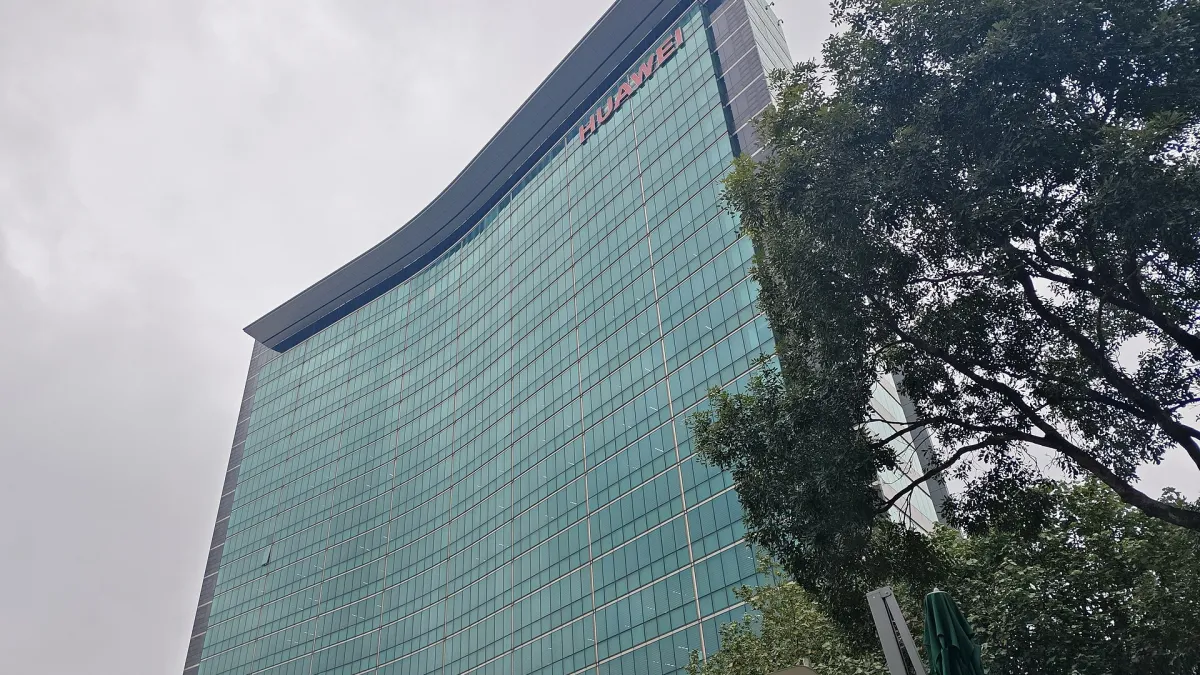
Huawei was convicted this Tuesday (24) by a federal jury in Brooklyn, New York, bringing to a close a case opened by the U.S. Justice Department nearly seven years ago. The Chinese telecommunications giant was found guilty on 10 of 12 charges, including conspiracy to steal trade secrets from American companies and bank fraud, according to the Associated Press and Reuters.
The jury acquitted the company of the most serious charge, conspiracy to engage in racketeering, known in the U.S. as the RICO Act (Racketeer Influenced and Corrupt Organizations Act). According to the South China Morning Post, the other acquittal was on the charge of conspiracy to obstruct justice. The convictions also include wire fraud and sanctions violations. The AP reports that Huawei could face billions of dollars in penalties.
What Huawei did, according to the prosecution
Prosecutors argued that Huawei lied to banks and U.S. authorities about its business in sanctioned countries such as Iran and North Korea in order to move money through the U.S. financial system. The technology theft charges were added to the case in 2020.
According to court records cited by the AP, victims include Cisco, Motorola Solutions, T-Mobile, Quintel USA, and Fujitsu. Among the episodes described are routers sold with code copied from a competitor, a person working for Huawei who entered a rival's booth at a trade show in Chicago to photograph the circuits of a device, and an employee who removed a robotic arm from a competitor's lab to photograph and measure it. The robot was Tappy, used by T-Mobile to test cellphones.
"The tone was set at the top by Huawei's leaders and executives, who also committed crimes," prosecutor Meredith Arfa told the jurors.
What the defense says
Huawei attorney Brian Heberlig said the company will appeal. He called the acquittal on the racketeering charge a victory and said the verdict "repudiated the government's central narrative in the case." During the trial, Heberlig argued that the prosecution relied on "innuendo and facts taken out of context" and on former employees with grudges against the company, and that the missteps of a few among more than 200,000 employees were turned into a false conspiracy.
The defense also recalled that when Cisco code was found in Huawei software more than two decades ago, the company recalled the routers sold in the U.S. and offered to replace them with Cisco's own equipment. Chinese authorities had already called the case "economic intimidation" and accused the U.S. of using national security as a pretext.
From Meng Wanzhou to the verdict
The case gained worldwide attention in 2018 when CFO Meng Wanzhou, daughter of Huawei's founder, was arrested in Canada, accused of misleading HSBC bank about the company's operations in Iran. She returned to China in 2021 in a swap that freed two Canadians detained by the Chinese, and the U.S. dropped the charges against her. No executives stood trial this time.
The trial, presided over by Judge Ann Donnelly, began in September. A sentencing date has not yet been set. Huawei has been banned for years from selling to U.S. carriers, is barred in Canada and the United Kingdom, and has expanded its presence in artificial intelligence chips as an alternative to Nvidia's in China. The reports do not provide information on the effects of the conviction on the company's operations in Brazil.
Sources: Associated Press (via WTOP), Reuters (via NTD), South China Morning Post
Frequently asked questions
Why was Huawei convicted in the U.S.?
The jury found the company guilty of conspiracy to steal trade secrets from companies like Cisco and T-Mobile, bank fraud related to business in Iran, and other charges, totaling 10 of the 12.
What punishment could Huawei face?
According to the Associated Press, the company could face billions of dollars in penalties. A sentencing date has not been set, and the defense said it will appeal.
Does the conviction affect Huawei in Brazil?
The reports on the verdict do not provide information on the effects on the company's operations in Brazil.