Trump administration official suggested Guyana cede part of Essequibo to Venezuela, Reuters says
Jeremy Lewin's proposal, who left the State Department in October, alarmed the Guyanese government; Washington says its position on the border has not changed
By gnews Newsroom 3 min read
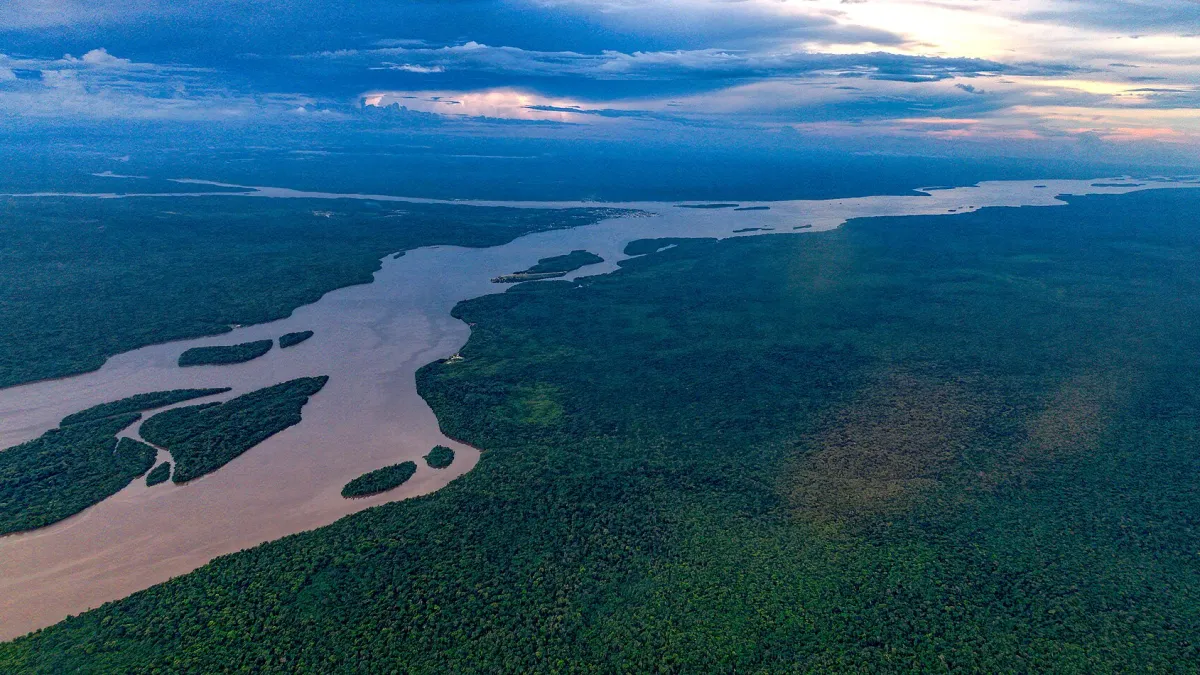
A member of Donald Trump's administration suggested in recent months that Guyana, Brazil's neighbor, consider giving up part of its territory to Venezuela, according to a Reuters report published this Thursday (19). The idea, which touches on the Essequibo dispute, caught Guyanese authorities by surprise, and they were later reassured by other American diplomats.
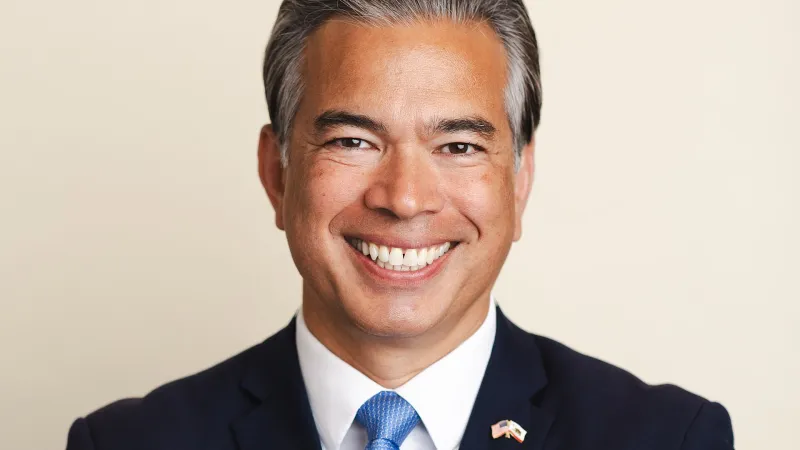
The person behind the suggestion, according to three sources cited by the news agency, was Jeremy Lewin, who took over as director of policy planning at the State Department in August and left the post at the end of October after about two months. Two of those sources said he raised the possibility of Venezuela taking partial control of Essequibo, a region that accounts for about two-thirds of Guyana's territory.
How the talks went
According to the report, republished by CNN Brasil, the decisive meeting took place in September in Washington with Guyanese Foreign Minister Robert Persaud. Lewin reportedly said he could help broker territorial negotiations with Venezuela's acting president, Delcy Rodríguez, with whom he claimed to have a very close relationship. The sources disagree on the exact words he used.
Lewin himself confirmed to Reuters that he had "preliminary" talks with representatives of both countries and said the White House asked that they be preliminary and confidential. He called "completely false" any version that he acted on his own. According to him, Delcy Rodríguez addressed the issue at a meeting in Caracas in July, which also discussed the possibility of American companies doing business in Essequibo.
Lewin provided the agency with a letter dated May 11 in which the acting president asks Trump for support in re-engaging with Guyana and cites the "historic territorial controversy." Reuters could not independently confirm the document.
What the governments say
A State Department spokesperson said the agency receives ideas and policy options from outsiders every day and that the U.S. position on the Venezuela-Guyana border has not changed. The White House referred questions to the State Department and did not say whether it directed the talks or received the letter. The governments of Guyana and Venezuela did not respond to requests for comment.
Guyana has long maintained that Essequibo's status is not up for negotiation. The United States and nearly all other countries recognize the region as Guyanese.
Why the region is disputed
- Venezuela has claimed Essequibo for more than 180 years, intermittently.
- The area is rich in gold, diamonds, and bauxite.
- ExxonMobil's major offshore oil discoveries starting in 2015 transformed Guyana, a country of about 1 million people, into the world's fastest-growing economy.
- In 2018, Guyana brought the case to the International Court of Justice in The Hague and is asking that the border defined by an 1899 arbitration be upheld.
What comes next
The report comes amid a rapprochement between Washington and Caracas. After Nicolás Maduro's capture by the United States in January, relations between the two countries improved, and Delcy Rodríguez, Maduro's former vice president, became Venezuela's acting leader. This week, Pentagon chief Pete Hegseth was in Caracas and signed an agreement with her to expand military cooperation.
At the UN General Assembly in September, Delcy asked Guyana to open negotiations on the legal status of the region. The reports do not include the Brazilian government's position on the matter.
Sources: Reuters (via Internazionale), CNN Brasil
Frequently asked questions
What is Essequibo?
It is a region rich in gold, diamonds, and bauxite that accounts for about two-thirds of Guyana's territory and has been claimed by Venezuela for more than 180 years.
Has the United States changed its position on Essequibo?
No, according to the State Department, which says its position on the Venezuela-Guyana border remains the same.
Where does the case stand in international court?
Guyana brought the dispute to the International Court of Justice in 2018 and is asking that the border defined in 1899 be upheld.