Market lowers inflation and economic growth projections for 2026
Focus Bulletin shows 2026 IPCA at 5.11% and GDP at 1.72%; dollar projected for end of next year rises to R$5.40, while Selic remains at 13.75%.
By gnews Newsroom 2 min read
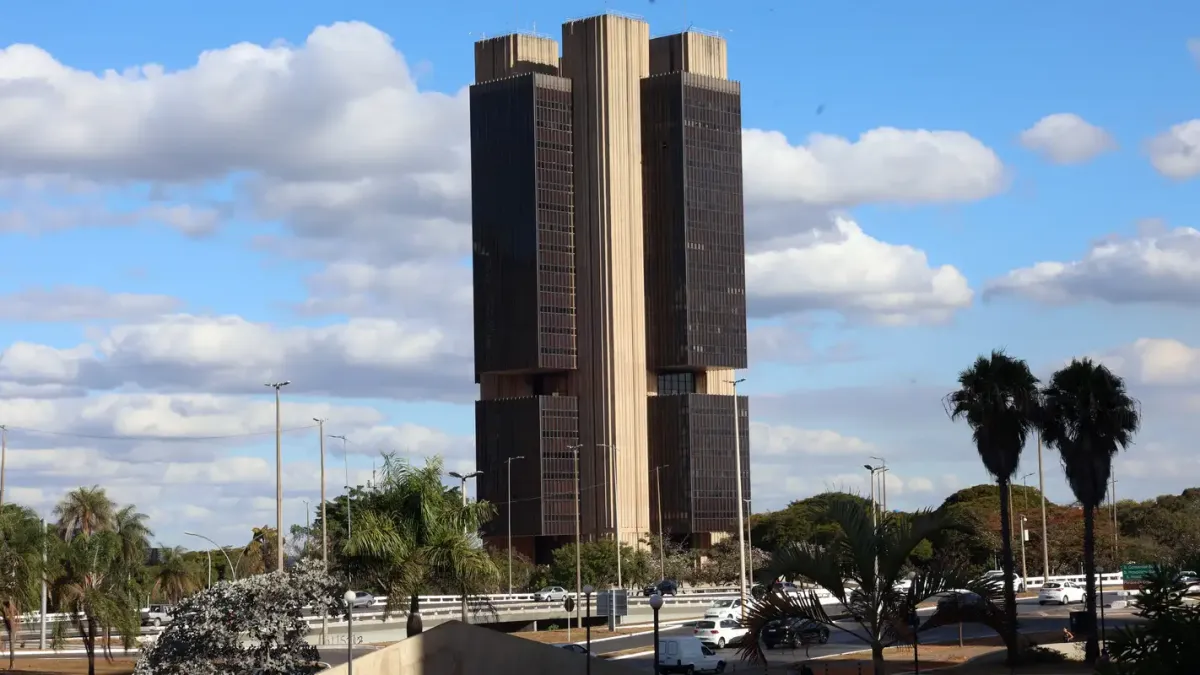
The financial market lowered its projection for Brazil's official inflation in 2026 from 5.22% to 5.11%, according to the Focus Bulletin, a weekly survey of financial institutions' forecasts released by the Central Bank on Monday (16). The estimate for Gross Domestic Product (GDP) growth next year also fell, while the dollar forecast rose.
The forecast for the IPCA (Brazil's official inflation index) in 2027, on the other hand, rose from 4.9% to 5%. The figures reflect analysts' perception of the trajectory of prices and economic activity in the country.
Why the GDP projection fell for the fifth time
The GDP forecast for 2026 fell from 1.75% to 1.72%. This was the fifth consecutive reduction in the growth estimate for next year. For 2027, the projection dropped from 1.15% to 1.02%, indicating an expectation of a more prolonged economic slowdown.
The Focus Bulletin compiles estimates from financial institutions and serves as a thermometer for the decisions of the Monetary Policy Committee (Copom), the central bank's rate-setting body.
Dollar projected for 2026 rises to R$5.40
The dollar exchange rate at the end of 2026 went from R$5.35 to R$5.40. For 2027, the forecast rose from R$5.40 to R$5.45. On Monday, the dollar was trading at R$5.06.
Exchange rate pressure is one of the factors influencing inflation projections, as a weaker real makes imported products and inputs more expensive.
Selic remains stable at 13.75% for 2026
The projection for the benchmark interest rate (Selic) at the end of 2026 was kept at 13.75%. Stability is expected in the final weeks of the year, when estimates become more consolidated. For 2027, analysts raised the Selic forecast from 12.5% to 12.75%. For 2028, the expectation remained at 11%.
Currently, the Selic is the Central Bank's main tool for controlling inflation. When Copom raises the rate, credit becomes more expensive, reducing consumption and economic activity, helping to contain prices.
With information from Agência Brasil.
Frequently asked questions
What is the market's projection for inflation in 2026?
The projection for the IPCA, the official inflation index, fell from 5.22% to 5.11% in 2026, according to the Focus Bulletin.
What does the Central Bank do to control inflation?
The Central Bank uses the Selic rate. When Copom raises interest rates, credit becomes more expensive, consumption decreases, and pressure on prices is reduced.
How much does the market expect the dollar to reach by the end of 2026?
The estimate for the end of 2026 rose to R$5.40, and for 2027, the projection advanced to R$5.45.