U.N. Court Rules 9-6 That Myanmar Committed Genocide Against the Rohingya
It is the first time the International Court of Justice has convicted a state of genocide; Myanmar will have two years to report on how it will provide reparation to victims
By gnews Newsroom 3 min read
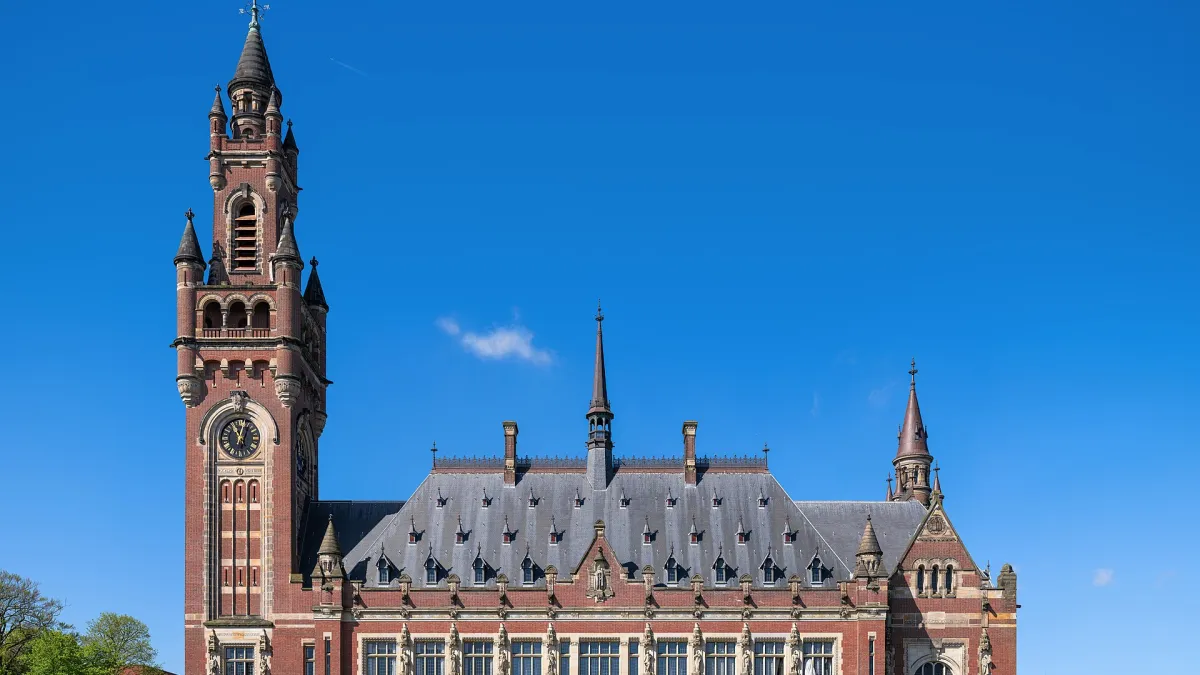
The International Court of Justice (ICJ), the U.N.'s highest court, ruled on Thursday (19) in The Hague that Myanmar committed genocide against the Rohingya Muslim minority during the so-called 2017 clearance operations in northern Rakhine State. The decision came by a vote of 9 to 6, is final and cannot be appealed. It is the first time the court has held a state responsible for this crime.
The ruling was read by the court's president, Japanese judge Yuji Iwasawa. According to the Brazilian state news agency Agência Brasil, which reproduced a Reuters report, the court stated that "the Republic of the Union of Myanmar committed genocide against the Rohingya group in northern Rakhine State."
What the court found
The judges pointed to mass executions of men and boys, widespread rape and the destruction of hundreds of villages by security forces. They also noted that the armed forces spread hate speech against the Rohingya.
According to the Indian legal news site LiveLaw, the majority concluded that three acts under the Genocide Convention were proven: killing members of the group, causing serious bodily or mental harm, and imposing measures to prevent births. The court considered that the only reasonable explanation for these acts was the intent to destroy the group.
The court also found that Myanmar:
- failed to prevent non-Rohingya civilians from taking part in the attacks, although it knew or should have known of the risk;
- did not investigate or punish those responsible, as no one has been charged or convicted of genocide;
- did not pass the domestic legislation required by the convention.
Gambia, which brought the case, lost on one point. The court did not hold Myanmar responsible for inciting genocide. Facebook accounts linked to the military posted messages against the Rohingya, but the judges assessed that the evidence did not show a direct call to crime.
What Myanmar must do
The ruling orders the country to set up a restitution programme. It includes allowing the safe and voluntary return of displaced Rohingya, reuniting families, returning or repplacing property, searching for the missing, burying the dead according to the group's traditions and offering physical and psychological rehabilitatio. Where restitution is impossible, compensation will be due. Myanmar has two years to submit a report to the court on what it has done.
Myanmar's government did not immediately respond to Reuters' request for comment. The country has always denied genocide and says its forces reenacted to attacks by armed groups.
Split vote and impact on other cases
Voting against the genocide conviction were Vice-President Julia Sebutinde, judges Peter Tomka, Ronny Abraham, Xue Hanqin and Georg Nolte, and ad hoc judge Claus Kress, who signed a joint opinion. For Professor Marko Milanovic, writing on the international law blog EJIL:Talk!, the disenting judges criticised the majority's flexible interpretation of the concept of destruction, which in his view brings genocide closer to ethnic cleansing and crimes against humanity.
Brazilian judge Leonardo Brant, a member of the court, was not among those who disented. He submitted a separate declaration and another joint declaration with ad hoc judge Navi Pilay, according to the official case page.
Gambia, a Muslim-majority nation, opened the case in 2019 with support from the Organisation of Islamic Cooperatio. The decision is expected to weigh on other cases, such as the one brought by South Africa against Israel in 2023 over Gaza. Israel also denies having committed genocide.
Sources: Corte Internacional de Justiça, Agência Brasil (Reuters), LiveLaw, EJIL:Talk!
Frequently asked questions
What did the International Court of Justice decide about Myanmar?
That Myanmar committed genocide against the Rohingya during the 2017 military operations in Rakhine State, by a 9-6 vote.
Can Myanmar appeal the decision?
No. The ICJ's ruling is final and cannot be appealed.
Who brought the case against Myanmar?
Gambia, in 2019, with support from the Organisation of Islamic Cooperatio.