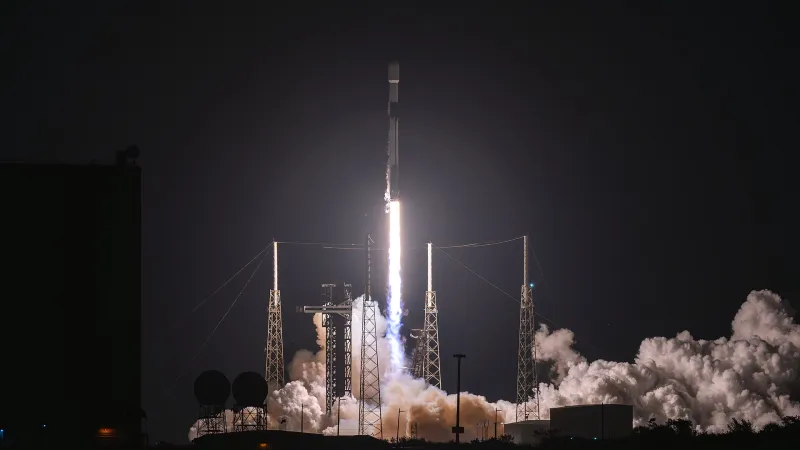
Musk says Zelensky is not truthful about Starlink and Starshield limits in Ukraine war
SpaceX owner says the civilian network is not for drone attacks and that offensive operations must use Starshield, controlled by the U.S. government
By gnews Newsroom 3 min read
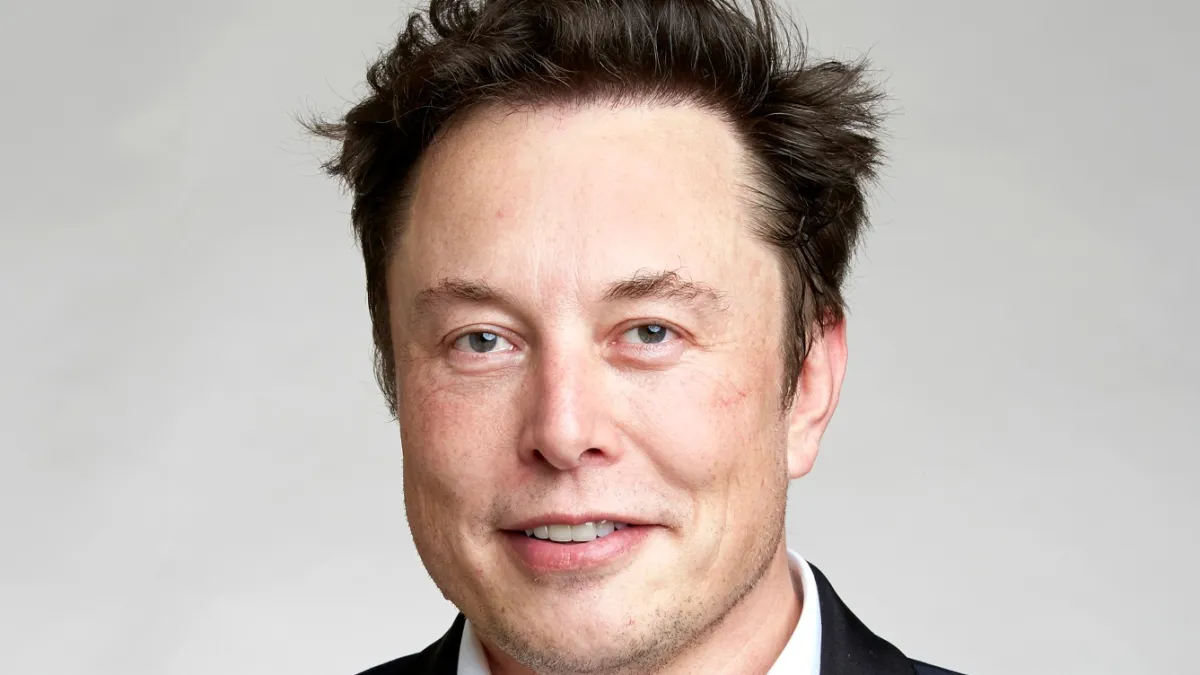
Elon Musk accused Ukraine's President Volodymyr Zelensky of not telling the truth about restrictions on Starlink use in Ukraine. On Wednesday (18), during the DealBook Summit, an event hosted by The New York Times in New York, the SpaceX owner said the civilian satellite network was not designed for attacks and that offensive operations must use Starshield, a system controlled by the U.S. government.
Asked by journalist Andrew Ross Sorkin about Zelensky's complaint that Starshield was being limited, Musk replied: "That is false." He then said the Ukrainian leader "is not always truthful" and, when pressed, repeated the statement, according to CNBC.
What is the difference between Starlink and Starshield
Both networks belong to SpaceX, but they have different use cases. Starlink is the commercial satellite internet service, the same sold to regular customers in several countries. Starshield is the military version, owned and operated by the U.S. government.
Musk stated that Starlink "was not designed as a weapon of war" and that the company has refused such use since the start of the conflict. According to him, what Zelensky wants is to use Starlink in offensive military operations. "Don't ask me, as a private individual, to make killing decisions," he said, according to Engadget.
The entrepreneur also repeated the accusation that Ukrainian military personnel violated Starlink's terms of use by employing it in drone attacks. According to CNBC, he said that loophole was closed last week.
How the dispute began
Ukraine relies on both networks for battlefield communication and to operate drones. In October, Zelensky posted on X that speed limits were imposed across the entire front line and in Russian territory: terminals moving faster than 161 km/h lose connection with the satellites. For him, the measure helps Russians kill more Ukrainians and carry out more precise attacks.
The last recorded reduction occurred on October 14. At the time, SpaceX and the White House traded accusations over who gave the order. Reuters reported, based on U.S. officials, that the decision came from the White House. Later, the Wall Street Journal published, also citing sources, that Musk himself ordered the service to be limited. Musk wrote on X that the limits are set by the U.S. military and, ultimately, by the president.
In late October, a Ukrainian official rebutted Musk's version and said that existing restrictions would make it physically impossible to use Starlink to attack inside Russia. Zelensky returned to the topic this Wednesday (18), saying the limits remained and that the matter was under discussion with the Americans.
What comes next
CNBC reached out to Ukraine's Foreign Ministry, which did not respond, and was unable to immediately speak with the presidential office. Sources indicate no change in Starlink service for customers outside the war zone, including those in Brazil. The dispute concerns the military use of the network in the conflict with Russia.
Frequently asked questions
What is the difference between Starlink and Starshield?
Starlink is SpaceX's commercial satellite internet service. Starshield is the military version, owned and operated by the U.S. government.
Why was Starlink limited in Ukraine?
Musk says Ukrainian military violated terms of use by using the network for drone attacks. Since October, terminals above 161 km/h lose connection, according to Zelensky.
Does the dispute change Starlink in Brazil?
Sources indicate no change for customers outside the war zone. The dispute concerns military use of the network in the conflict with Russia.